12
12 32 minutes read
Contents
- 10-day Japan itinerary overview
- How to prepare for a 10-day trip to Japan
- Transportation between cities
- Understanding different types of Japanese accommodation
- 10-day Japan itinerary (day-by-day)
- Day 1 to 3: Tokyo
- Day 4 to 5: Kyoto
- Day 6: Nara
- Day 7: Mount Fuji
- Day 8: Hiroshima (optional)
- Day 9 to 10: Osaka
- Practical travel tips for a 10-day trip to Japan
- How to adjust our Japan itinerary to suit your travel needs
- Plan a 10-day Japanese getaway with ZenHotels
10-day Japan itinerary overview
Day 1-3: Tokyo
Divide and conquer by mixing traditional Japan with the modern hubs of Shibuya and Akihabara. Discover the konbini culture, visit the famous 7th-century Senso-ji Temple, while starting your souvenir shopping in Harajuku and relaxing in a themed café.
Day 4-5: Kyoto
Swap modern Japan for its traditional counterpart by visiting Kyoto. It takes just over 2 hours by bullet train, and the area is full of outdoor activities, from visiting the photogenic Philosopher’s Path to exploring one of Japan’s best-preserved towns that showcase over 1,200 years of history.
Day 6: Nara
Experience the chance to get up close with a Sika deer during a visit to Nara’s Todai-ji Temple at Nara Park. This historic district has eight UNESCO World Heritage Sites and offers something for travelers of all ages, including those who love the outdoors.
Day 7: Mount Fuji
Prepare for an extreme day trip to see Mount Fuji. This optional addition to your itinerary can be personalized, depending on whether you want to experience the mountain up close or get the best views of it from slightly further away.
Day 8: Hiroshima
This optional activity won’t be for every traveler, but it is guaranteed to leave an emotional impact on those who decide to visit. The site of the world’s first atomic bomb explosion has come to symbolize rebirth and resilience and acts as a somber reminder of our recent, shared history. It’s a must-visit if you’re only planning to go to Japan once.
Day 9-10: Osaka
Explore Japan’s second-largest city at your own pace and pick up a lucky Daruma doll from Katsuo-ji temple – or plan a day-trip to Universal Studios.
How to prepare for a 10-day trip to Japan
Visiting Japan requires a lot of planning, even if you’ve visited before. There a lot to navigate, from entry requirements to choosing the best airport to fly into and deciding when to visit Japan. We’re sharing some of our top tips below to consider before booking your trip to Asia.
Entry procedure and visa requirements
Most international tourists to Japan come from the 70+ visa-exempt countries. These visa-exempt countries include Australia, Canada, the United States, and the United Kingdom, with visitors able to stay in the country for up to 90 days. Tourists will still be required to have a valid passport, proof of funds, and a return ticket. It’s best to check with your local consulate or government website to see if you need to apply for a visa to visit Japan. It’s best to do this before booking your vacation.
Book early for top attractions
Planning your trip to Japan early will help you get tickets to some of the most popular attractions. Over 42 million international visitors arrived in the country during 2025, and many of these activities are also popular amongst the locals. Some attractions, such as the Ghibli Museum, go on sale once a month, typically selling out within just a few minutes. Make sure your budget will allow you to pay for these activities up-front before your trip.
When is the best time to visit Japan?
There’s no longer a “quiet” season in Japan, and even the shoulder months of late spring and early autumn can be busy. It’s worth remembering that every season offers a different experience, from the Sakura (cherry blossom) season in March/April to the Sapporo Snow Festival in early February.

Every season in Japan offers a different experience.
Photo by Yusheng Deng on Unsplash
Late April into early May is one of the most expensive times of year, as it’s when the “Golden Week” occurs, when the country celebrates its largest public holidays. Summer may be the most convenient time for families to visit, but daily average temperatures typically exceed 30°C (86°F) in most cities, although there’s a range of matsuri (festivals) and firework displays for visitors to enjoy.
Best airport to fly into in Japan
Most tourists choose to fly into Japan via Tokyo Haneda (HND) airport, which is less than 40 miles from the city. Depending on your itinerary, Tokyo may not be the best option for you to fly into, especially if you’re choosing to start your trip in Kyoto or Osaka.

Most tourists choose to fly into Japan via Tokyo Haneda (HND) airport.
Photo by David Syphers on Unsplash
Although it’s typically cheaper to book a return ticket through the same airport, most Japan itineraries will start and end in different cities. It’s worth pricing up a variety of itineraries and deciding whether the up-charge of an open ticket is worth the cost of having to travel back to your original city.
Japan Rail (JR) pass and citymapper
When you’re researching for your trip, you’re guaranteed to come across the Japan Rail (JR) Pass. While the cost has gone up significantly in recent years, it’s the best option for a multi-city itinerary as it allows unlimited travel on JR trains, including bullet trains. The JR Pass also allows you to reserve seats in advance with 7-day, 14-day, and 21-day tickets available. If you’re focusing your itinerary on one region, then a local pass is likely to be a more cost-effective option.
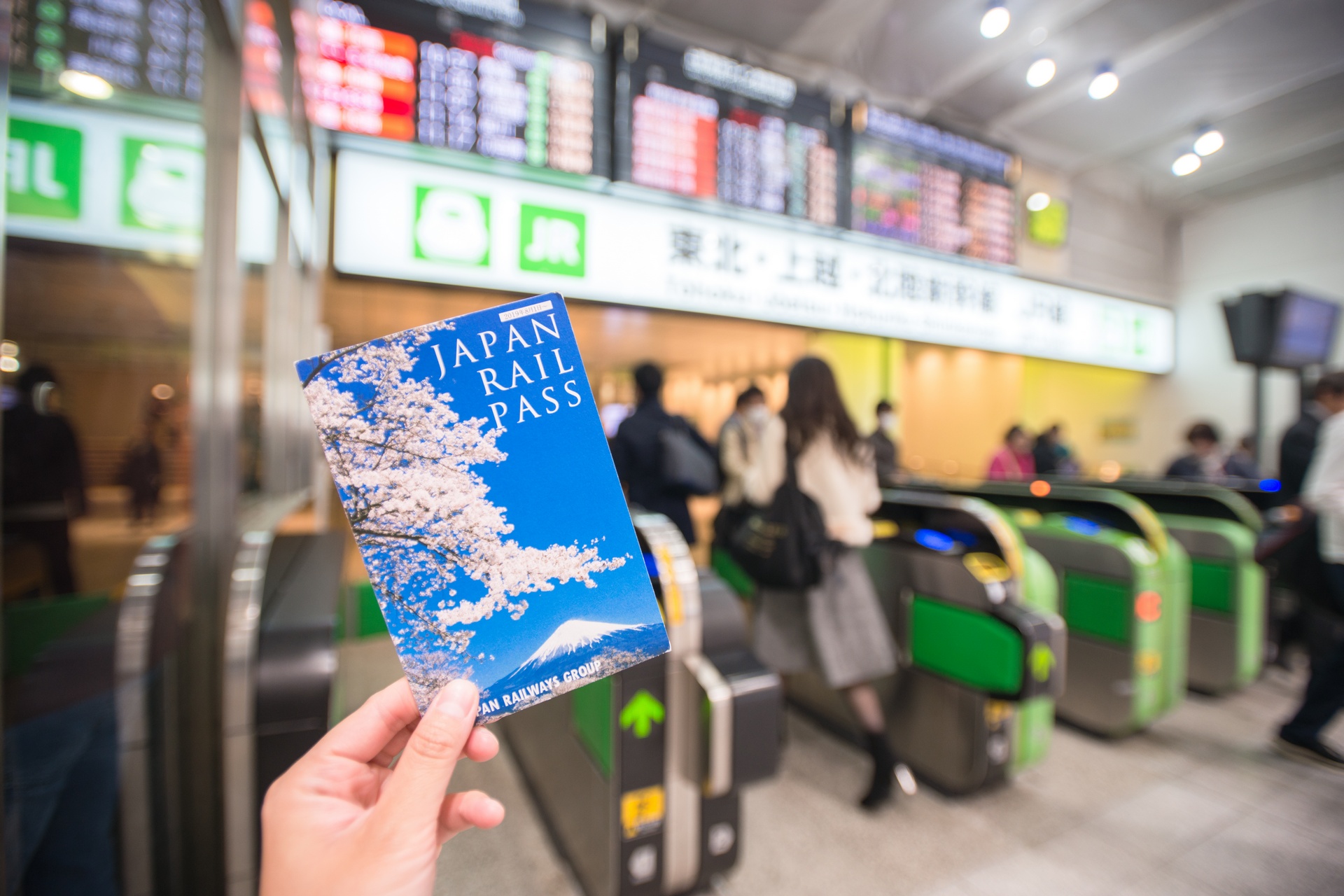
The Japan Rail (JR) Pass allows unlimited travel on JR trains.
Photo by YingHui Liu on Shutterstock
The country is easy to travel through with its extensive public transport, and it’s worth downloading an app like Citymapper in advance if you plan on using trains or the subway. It offers real-time visibility and even provides advice on the best carriage to travel in for a quick exit from the station.
Transportation between cities
Before we jump into our suggested itinerary for a 10-day trip to Japan, it’s worth focusing on how to travel between cities. It’s normal to be unsure if you’re used to beach vacations or city breaks in the UK, but we’re covering everything you need to know below:
How to travel around Japan
Most major cities, including Tokyo and Osaka, offer an Airport Express line, making it easy to get straight into the city center when you arrive. You can either get off or connect to another line, but your Airport Express train ticket will need to be purchased separately from the JR Pass.

Most major cities, including Tokyo and Osaka, offer an Airport Express line.
Photo by Mei Yi on Shutterstock
The easiest way to travel between cities is by using the shinkansen (新幹線), also known as the bullet train. These intercity trains go into and out of the main stations in each city, making it easy to connect to other train lines. The Shinkansen is an attraction in its own right, and they’re famous for always running perfectly on time.
You’ll want to make sure to reserve a special ticket if you need space for larger luggage (over 160cm in either height or width), and make sure to try one of the bento boxes on sale at the stations.
Can you travel around Japan by car?
You might be considering driving in Japan if you have young kids or if you want to curate an itinerary with more rural destinations. Overall, Japan is an easy country to drive in if you have an international driver’s license, but the Shinkansen will always be a faster transport option.
Should I fly between cities in Japan?
If you’re traveling between cities that are at least 4 hours apart, then flying may be a better option. You won’t have to deal with immigration on an internal flight, making it easier to navigate through the airport. However, it’s often more convenient to take the Shinkansen if you’re traveling between cities on the central route, including Tokyo and Osaka.
What to do with your luggage in Japan
A multi-stop itinerary is easier to navigate than you think, but changing hotels and taking trains to different cities might leave you wondering what to do with your luggage. Most hotels in Japan have a 10 am or 11 am checkout with a 3 pm check-in time, which may not align with your train times.

Most hotels in Japan have a 10 am or 11 am checkout with a 3 pm check-in time.
Photo by metamorworks on Shutterstock
If you’re visiting Japan as a family (or have seriously overpacked!), you can use a Takuhaibin service to bring your luggage directly from one destination to the next. Most of these services won’t offer same-day delivery, but their next-day delivery is ideal if you’re spending more than a few days in one place and can live out of your carry-on bag for a day.
Understanding different types of Japanese accommodation
The final thing to cover before we share our 10-day travel itinerary is a quick recap on the different types of accommodation you’ll find in Japan. We’ll be providing specific recommendations for each place in our guide, but it’s a good idea to familiarize yourself with the four main types of accommodation on offer:
- Capsule Hotels: Think of it as a hybrid between a hostel and a hotel. A great budget-friendly option for solo travelers and light packers who don’t mind using a shared shower and washroom. Some capsule hotels are now also offering double beds.
- Ryokan: A traditional Japanese inn, ideal for couples and travelers who want a more authentic experience. Most ryokans have private or communal hot springs, and rooms are priced per person, rather than at a set room rate.
- Western-Style Hotels: Travelers who want a little familiarity in a foreign country can book with Western-style hotels, such as the Hyatt, Hilton, Mandarin Oriental, and Marriott Bonvoy, which have hotels throughout the country. You can expect these hotels to have a similar layout and amenities to what you’d expect in Western cities.
- Business Hotels: More affordable chain hotels in Japan are known as “business hotels” and are usually located close to major transport hubs. Popular chains include Dormy Inn, Tokyo Inn, and Mitsui Garden Hotels.
10-day Japan itinerary (day-by-day)
Japan isn’t somewhere you want to visit for just a weekend. While two weeks is ideal, 10 days may be more realistic for some travelers, depending on your budget, circumstances, and time off work. 10 days gives you enough time to sample the best attractions, learn about the culture, and tick off major cities like Nara, Kyoto, and Osaka.
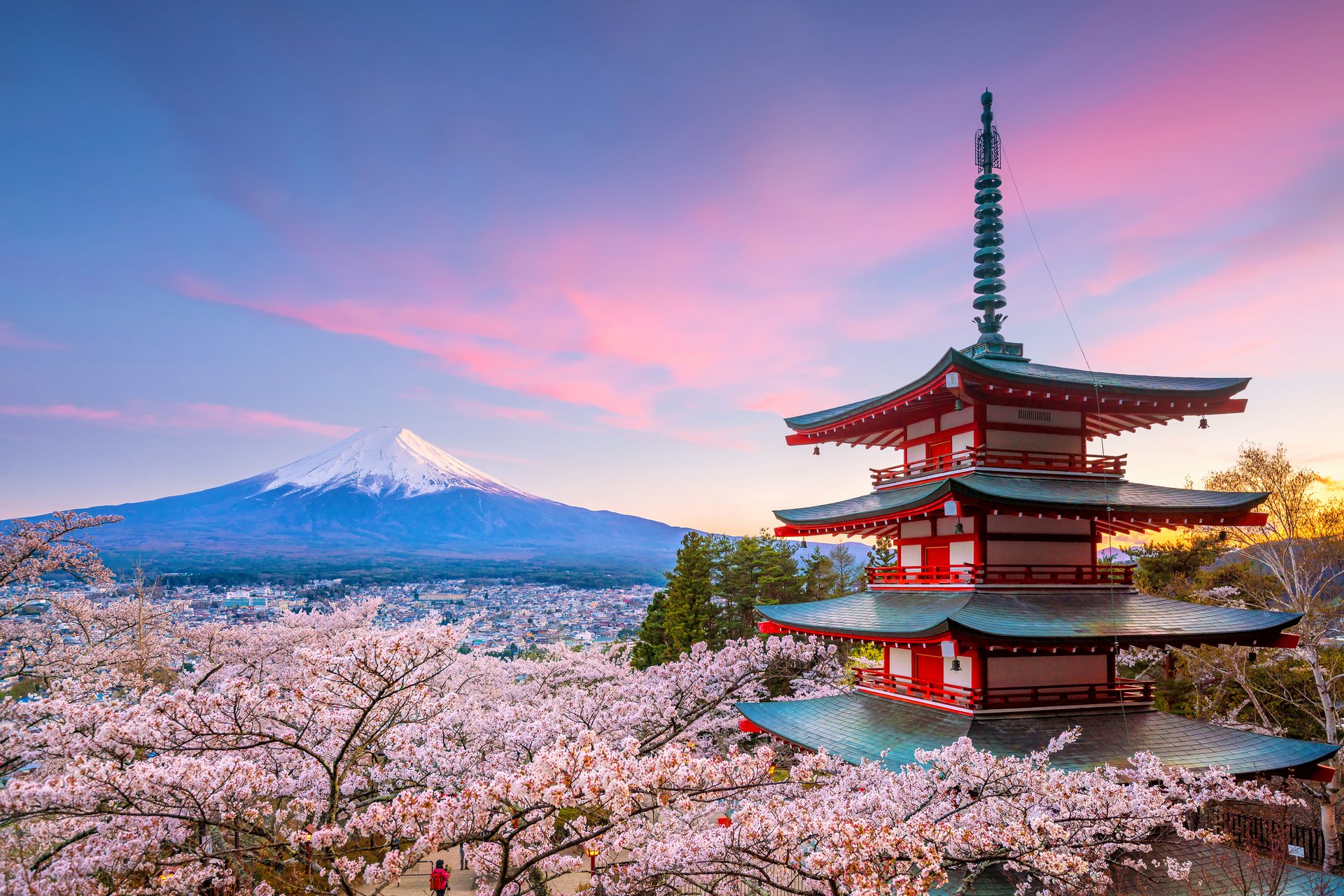
Japan isn’t somewhere you want to visit for just a weekend.
Photo by f11photo on Shutterstock
If you already know that you’ll fall in love with Japan, this type of itinerary is a great way to determine where to go back to for your next visit. We’re sharing our sample 10-day itinerary to give you an idea of just how much you can pack into your schedule (without getting burnt out!). If you’re not able to dedicate a full 10 days to your first trip to Japan, staying in Tokyo and planning day trips to places like Mount Fuji, Nikko, or Kamakura is a great alternative.
Day 1 to 3: Tokyo
You could easily spend an entire week in Tokyo, and it’s the city that most first-time visitors head to. The city consists of 23 special wards, but you’ll hear most people talking about 4 main hubs: Asakusa, Ginza, Shibuya, and Shinjuku. Although Tokyo is the largest metropolitan city in the world, dividing it into these four hubs makes it easier to divide and conquer when ticking activities off your to-do list.
Day 1: Arrive in Tokyo and visit Harajuku
Tokyo is a great place to start your itinerary, as most international airlines offer direct flights to Haneda Airport, which is close to the city center. You can take the train or arrange a private transfer to your accommodation. Keep in mind most places won’t have your room ready until 3 pm, but you can beat the jet lag by exploring Tokyo on foot.
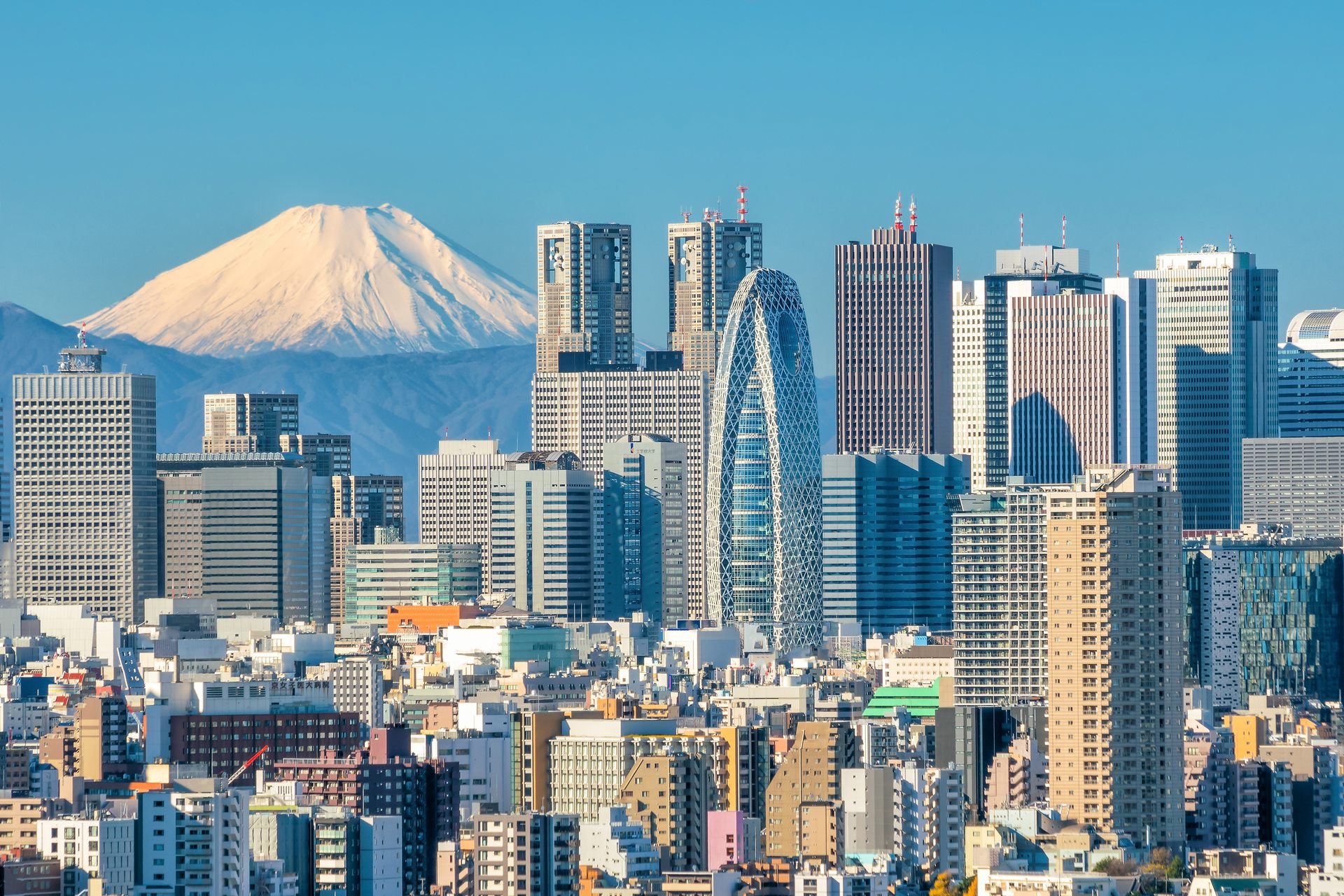
Tokyo is a great place to start your itinerary.
Photo by f11photo on Shutterstock
Avoid the hustle and bustle of Shibuya on your first day and instead head to Yoyogi Park to visit Meiji Jingu, the Shinto shrine, to get your first vacation photos. After exploring the park, you can take the 10-minute walk to Harajuku, the home of all things kawaii. It’s a great chance to do some early souvenir shopping (and spot anything you might want to come back for later), and you’ll also find all the viral Japanese food here.
Day 2: Tackle Shibuya and Shinjuku
After an early night, head out early in the morning to tackle both Shibuya and Shinjuku. It’s best to take the train to Shibuya but be mindful of crowds as it’s one of the city’s largest stations. If you’re feeling overwhelmed, keep an eye out for the A8 exit – this one will take you directly to the Hachiko statue of the famous Akita dog, as well as the Shibuya Crossing.
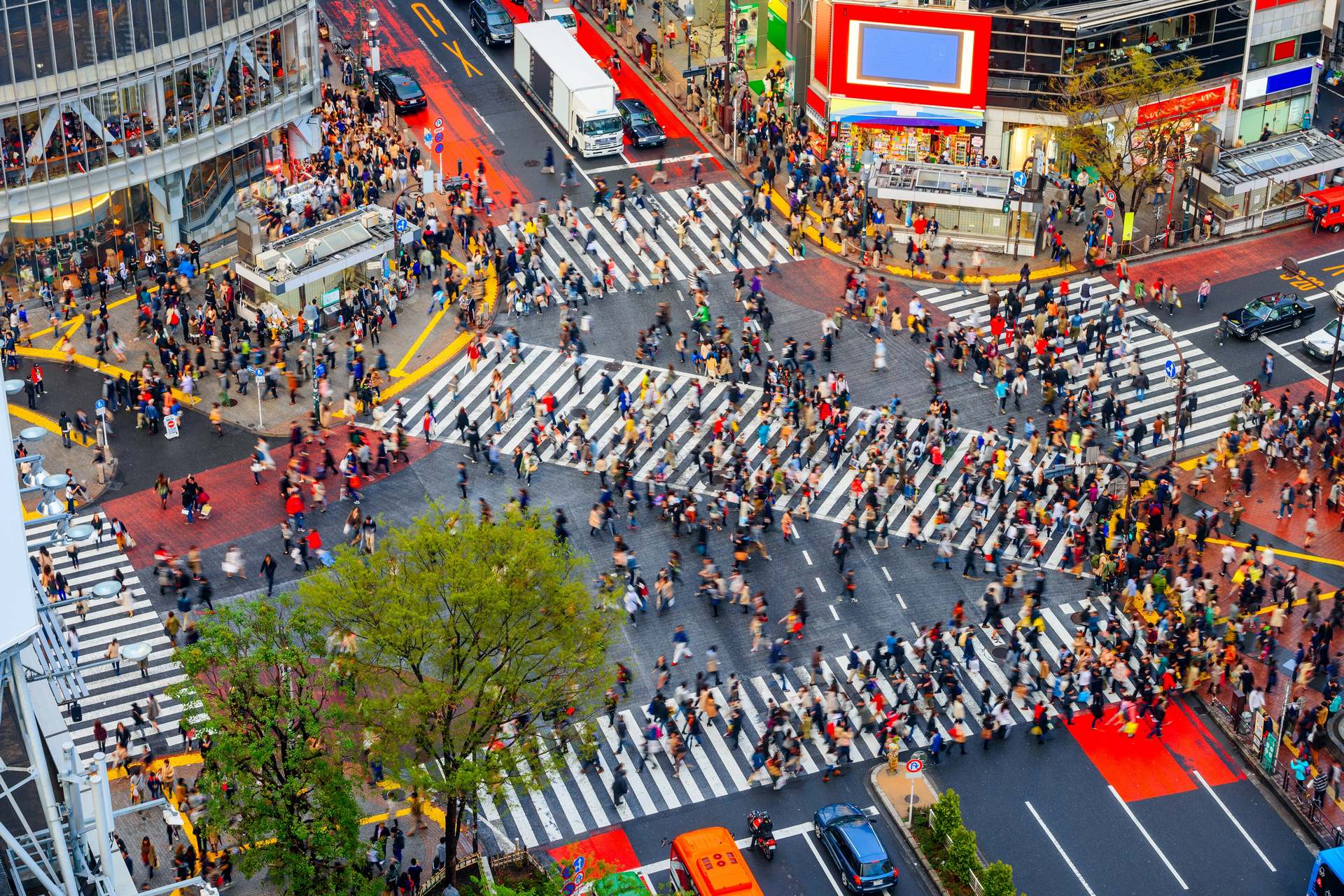
After an early night, head out early in the morning to tackle both Shibuya and Shinjuku.
Photo by Sean Pavone on Shutterstock
Beat the crowds and head to the Shibuya Scramble, a 47-floor complex that offers everything from observation facilities to shops and restaurants. Shibuya Sky is on the 47th floor and considered one of the best observation decks in Tokyo, but you’ll want to buy tickets in advance using the official website.
After shopping in Shibuya, you can head over to Shinjuku. It’s a one-hour walk with plenty to see along the way, or you can hop on the Yamanote Line. The Shinjuku Gyoen National Garden is the perfect way to spend an afternoon, and budget-conscious travelers can head to the Tokyo Metropolitan Government Building for a cheaper alternative to a paid-for observation deck.
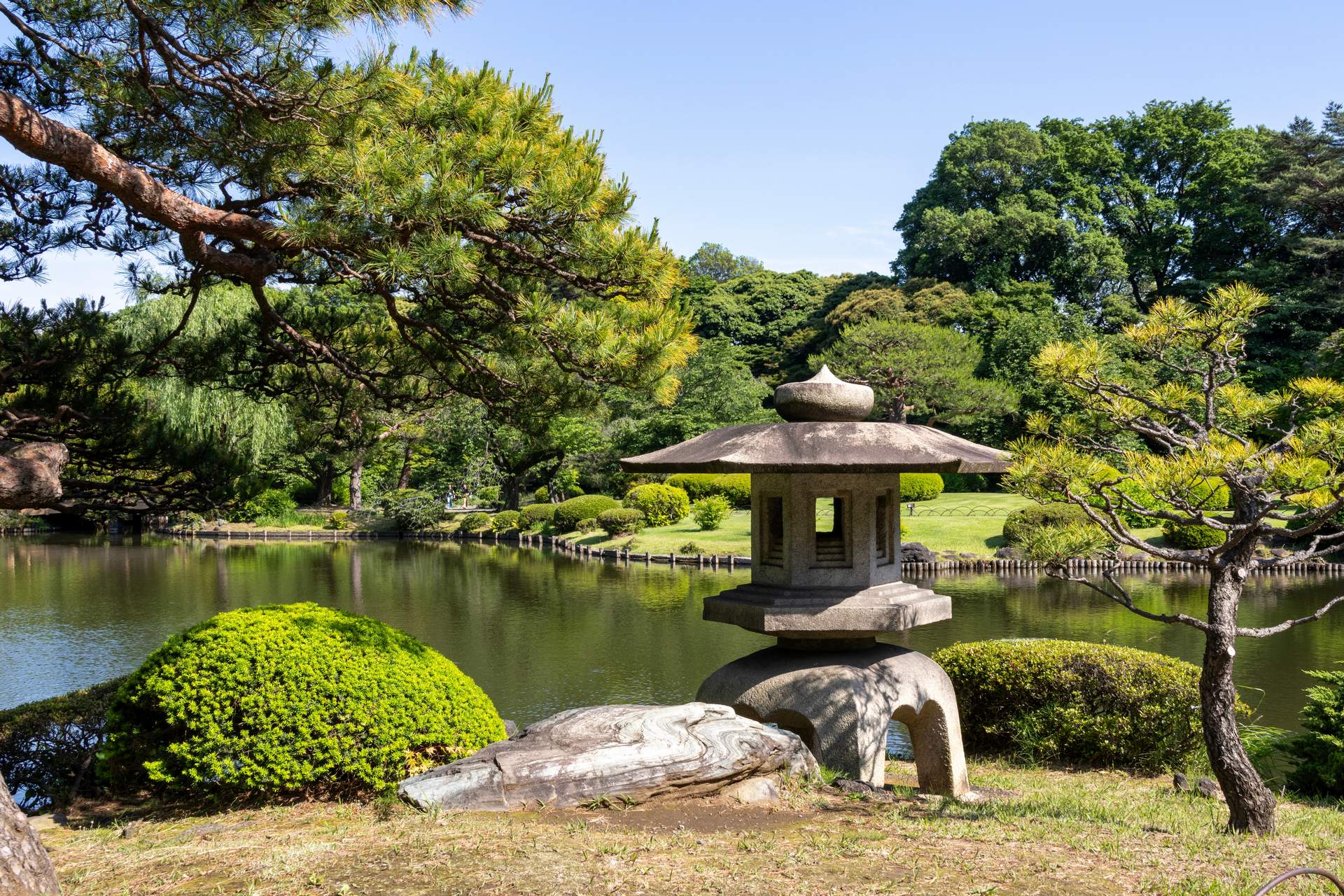
The Shinjuku Gyoen National Garden is the perfect way to spend an afternoon.
Photo by Tang Yan Song on Shutterstock
While most tourists head to Shibuya for its nightlife, you’ll find great bars and late-night shopping in Shinjuku as well, without the overwhelming crowds. There are over 300 bars in the Golden Gai area, while Omoide Yokocho is a popular spot for couples with its cocktail bars. Make sure to try some yakitori, and if you’re a night owl, you can head to Café La Boheme, which stays open till 1 am.
Day 3: Explore Akihabara and Asakusa
Savor your last full day in Tokyo with a later start before heading to Akihabara. This part of the city offers everything that Tokyo is famous for, from retro gaming to themed cafes and collectible stores to suit every interest. If you happen to be visiting on a Sunday, you can take advantage of the pedestrian-only rules from 1 pm to 5 pm.

Savor your last full day in Tokyo with a later start before heading to Akihabara.
Photo by Sebastian Kurpiel on Unsplash
Akihabara has seen major redevelopment in recent years, so you’ll find modern stores and larger buildings in between the smaller independent stores and boutiques. Take your time to explore the stores and make sure to stop by some of the vending machines. Stop for a late lunch at one of the manga or maid cafes before heading to Yodobashi Camera or Don Quijote to take advantage of your tax-free shopping.
After a potential detour to drop your souvenirs back at your accommodation, head to Asakusa to discover Tokyo’s traditional side. Asakusa is the city’s historic district, known for its Senso-ji Temple with its five-story pagoda and red lantern. If you have time, you can even visit Hanayashiki, Japan’s oldest amusement park, which is open daily from 10 am to 5 pm with 19 carnival-style attractions. Finish your day by indulging in some street food or treat yourself to a Sumida River cruise to celebrate your last night in the city.
ZenHotels insight
Looking for more ideas of what to do in Tokyo? We have an in-depth guide of the 25 best places to visit in Tokyo, separated by neighborhood for easy itinerary planning.
Accommodation and where to stay in Tokyo
Focus on choosing accommodation that’s close to a transport hub when staying in Tokyo, especially if you’re only in the city for a few days. There’s a district to suit every type of traveler. Shinjuku is great for first-time visitors, while Ueno is where you’ll find most family-friendly accommodation, but Asakusa is also a great option if you want a more authentic experience and a chance to immerse yourself in the local culture.

Shinjuku is great for first-time visitors.
Photo by Jezael Melgoza on Unsplash
Here are some of our top accommodation recommendations for Tokyo:
- Best for families: Grand Nikko Tokyo Daiba
- Splurge worthy: Mandarin Oriental
- Budget travelers: &And Hostel Asakusa Kappabashi
Looking for more accommodation options? Check out our guide to 15 of the best hotels in Tokyo for your next trip to Japan.
Food and local experiences in Tokyo
Tokyo is a great place to start experimenting with the local cuisine. The city is known for its Edomae-style sushi, tempura, ramen, and soba noodles. Toyosu Market is a great visit for foodies who want to sample fresh seafood, while you can expect to find convenience stores on every street, perfect for sampling hot and cold food on a budget.

Tokyo is a great place to start experimenting with the local cuisine.
Photo by Koshiro K on Shutterstock
Every trip to Japan has to include a tea ceremony, and while we’ve not given it a specific slot in this itinerary, Tokyo is the perfect place to book it. You’ll find a variety of more casual options, hosted by English-speaking tea masters, along with traditional tea houses that offer traditional kimonos to wear and even the chance to learn how to make matcha.
Day 4 to 5: Kyoto
After immersing yourself in modern Japan, take the Nozomi bullet train to Kyoto. This journey takes just over 2 hours, and you can expect to pay around $85 for an unreserved seat for this journey, while a reserved seat is typically around $100. Don’t worry too much about timings as this route is one of the busiest and you can usually expect a Shinkansen to arrive every 5 to 10 minutes during peak times.
Day 4: Connect with Japan’s spiritual past
After dropping your luggage off at your accommodation, head to Kyoto’s most famous temple, Kiyomizu-dera. This Buddhist temple has over 1200 years of history and is a UNESCO World Heritage site. It’s the perfect way to set the tone for your visit to Kyoto. If you’re more athletic, consider heading afterwards to the Fushimi Inari Shrine, which has 30 sub-shrine temples and 4,000 Tori gates, and takes around 2 hours to walk the whole trail.
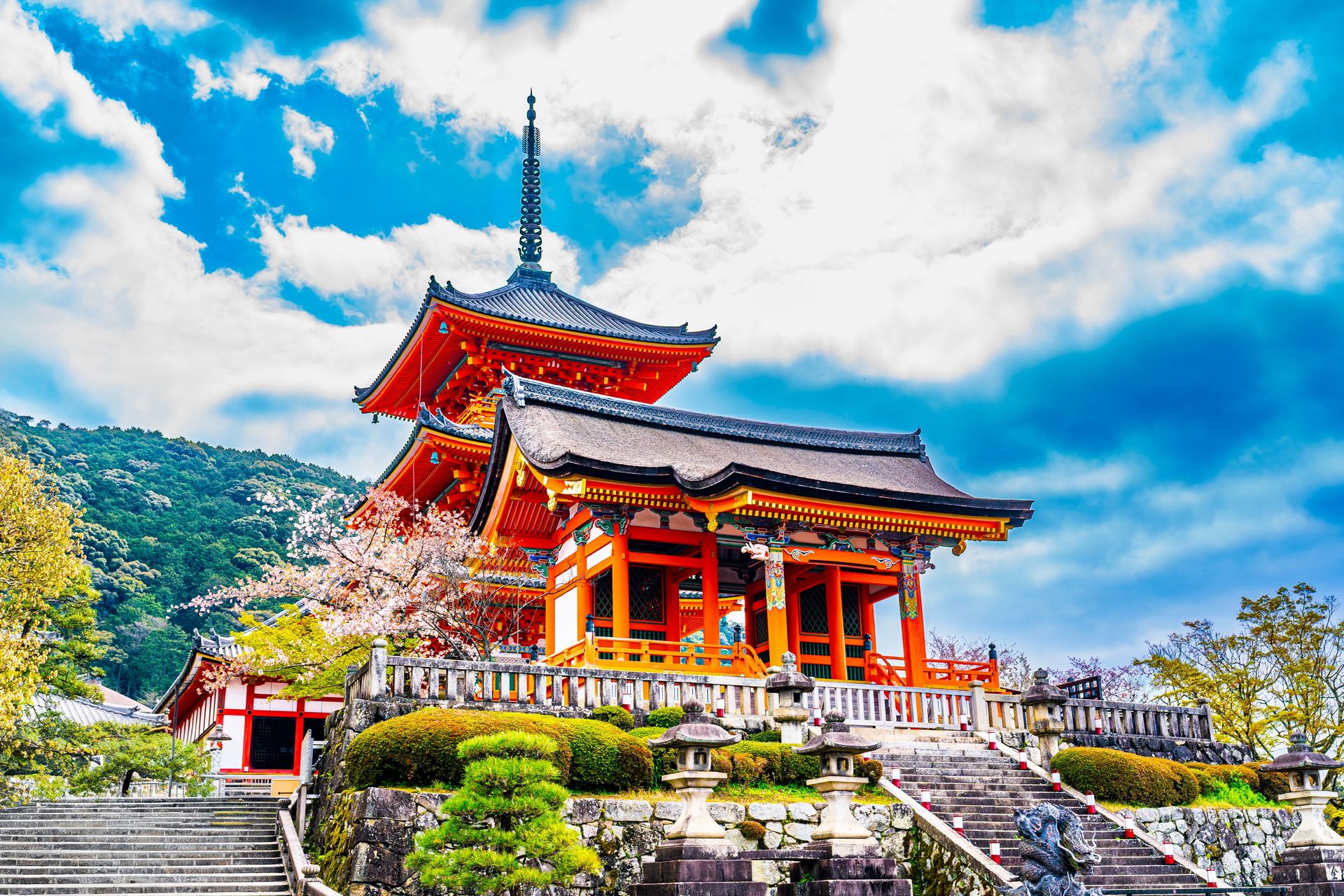
This Buddhist temple has over 1200 years of history and is a UNESCO World Heritage site.
Photo by Sompol on Shutterstock
Fushimi Inari Tasha is one of the most photographed spots in Japan and a great opportunity to learn more about the local culture or teach your kids about Japanese traditions. This site is open 24/7, so you could also make it an early morning visit if you want to adjust this itinerary.
Day 5: Head to Philosopher’s Path and explore Arashiyama
Start your second day in Kyoto by going to Philosopher’s Path. You may be able to tick this experience off on your first day if you arrive early in the morning, but we recommend taking it easy and saving it for your first activity on day 5. It only takes around 30 minutes to walk through Philosopher’s Path, but you can expect it to take a little longer if you’re visiting during cherry blossom season.

Start your second day in Kyoto by going to Philosopher’s Path.
Photo by p2n Media on Shutterstock
The Philosopher’s Path takes you from the Higashiyama neighborhood to Ginkaku-ji temple and is the ultimate way to start your day. Although the path is relatively flat, there are some narrow sections with uneven stone surfaces. While you can expect to navigate it with a child’s buggy, it may be more difficult with a wheelchair.
Spend a little time at the Ginkaku-ji temple with its Silver Pavilion, moss garden, and dry sand garden. Tickets into the temple are 1,000 yen ($7 USD) for adults, and it takes around an hour to see the best parts of the site.
Accommodation and where to stay in Kyoto
Kyoto’s Gion district is ideal for couples, while staying close to the Kyoto Station Area is a great option for solo travelers. If you want a quieter neighborhood, look for accommodation in Arashiyama.

Here are some of our top accommodation recommendations for Kyoto:
- Traditional accommodation: Kyoto Kinparo
- Ideal for couples: KOKO Hotel Residence Kyoto Nijo Castle
- Best in Arashiyama: The GrandWest Arashiyama
Food and local experiences in Kyoto
Yudofu, a type of boiled tofu, is a specialty of Kyoto. If you have a sweet tooth, look out for Ytashuashi, which is a cinnamon-flavored mochi, which you’ll find being sold in Sannen-zaka by local vendors.
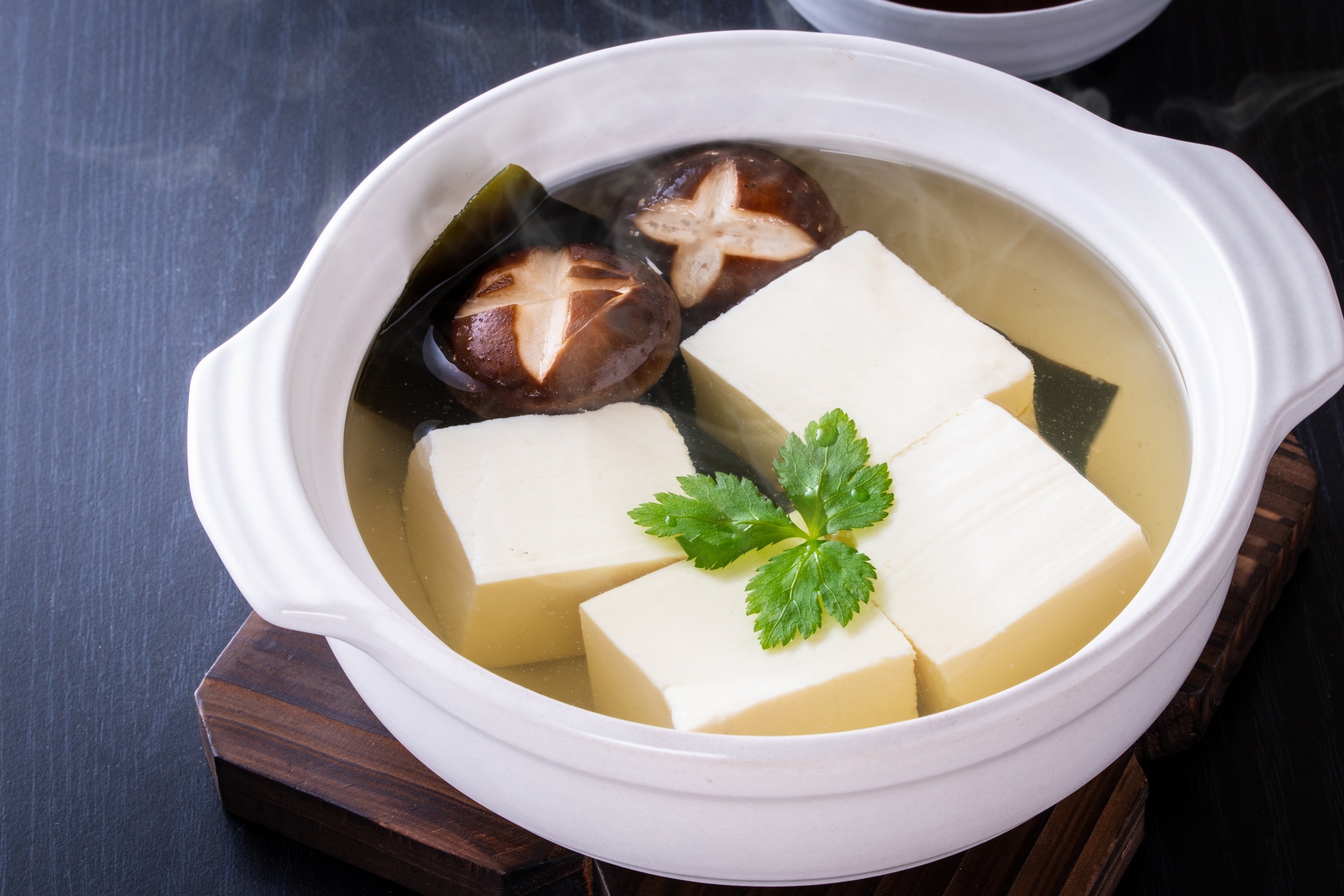
Yudofu, a type of boiled tofu, is a specialty of Kyoto.
Photo by jazz3311 on Shutterstock
Nishiki Market is a great option if you want to indulge in some street food, as it has over one hundred restaurants and shops to explore, selling everything you could ever want. High-end restaurants in Kyoto also offer kaiseki, a traditional multi-course dinner, which is great for couples or groups who want to experience authentic Japanese food.
Day 6: Nara
Nara is just a 40-minute train ride from Kyoto, making it a great option for a one-day trip. Nestled between Kyoto and Osaka, this historic city was Japan’s first permanent capital and is full of UNESCO World Heritage sites and Buddhist temples. Aim to take an early morning train from Kyoto to make the most out of your day in Nara.

Nara is just a 40-minute train ride from Kyoto.
Photo by Jo Sorgenfri on Unsplash
If you’re choosing to stay in Nara, you can drop your luggage off at your accommodation or use a luggage storage facility at the train station. The short train journey means that you could still stay in Kyoto and head back to your previous accommodation at the end of your day in Nara.
If you have young kids – or you’re an animal lover – you’ll want to go to Nandaimon, the Great South Gate, to see the Sika deer. These animals are considered to be sacred messengers of the gods and roam freely around the Nandaimon. Look out for the shops at the entrance that sell shika senbei (deer crackers), which you can feed to them. Although you may see a sika deer bowing to people, it’s still a wild animal, so be mindful of how you interact with them.
Accommodation and where to stay in Nara
Most tourists choose to stay close to Nara Park near the Kofuku-ji Temple or in the Kintetsu-Nara station area. As most visitors come to Nara on a day trip, opting for an overnight stay gives you a chance to explore the area without the usual crowds.

Most tourists choose to stay close to Nara Park.
Photo by Maxence Pira on Unsplash
Here are some of our top accommodation recommendations for Nara:
- Japanese-style rooms: Hotel New Wakasa
- Best for families: Nara Royal Hotel
- Backpack travelers: HARUYA Naramachi -Hostel
Food and local experiences in Nara
Traditional dishes that you’ll want to try in Nara include Kakinoha sushi and Miwa Somen, along with Yamato tea. One thing to know before visiting Nara is that most of the restaurants will only accept cash, so make sure to visit a convenience store to use an ATM before taking the train to Nara.
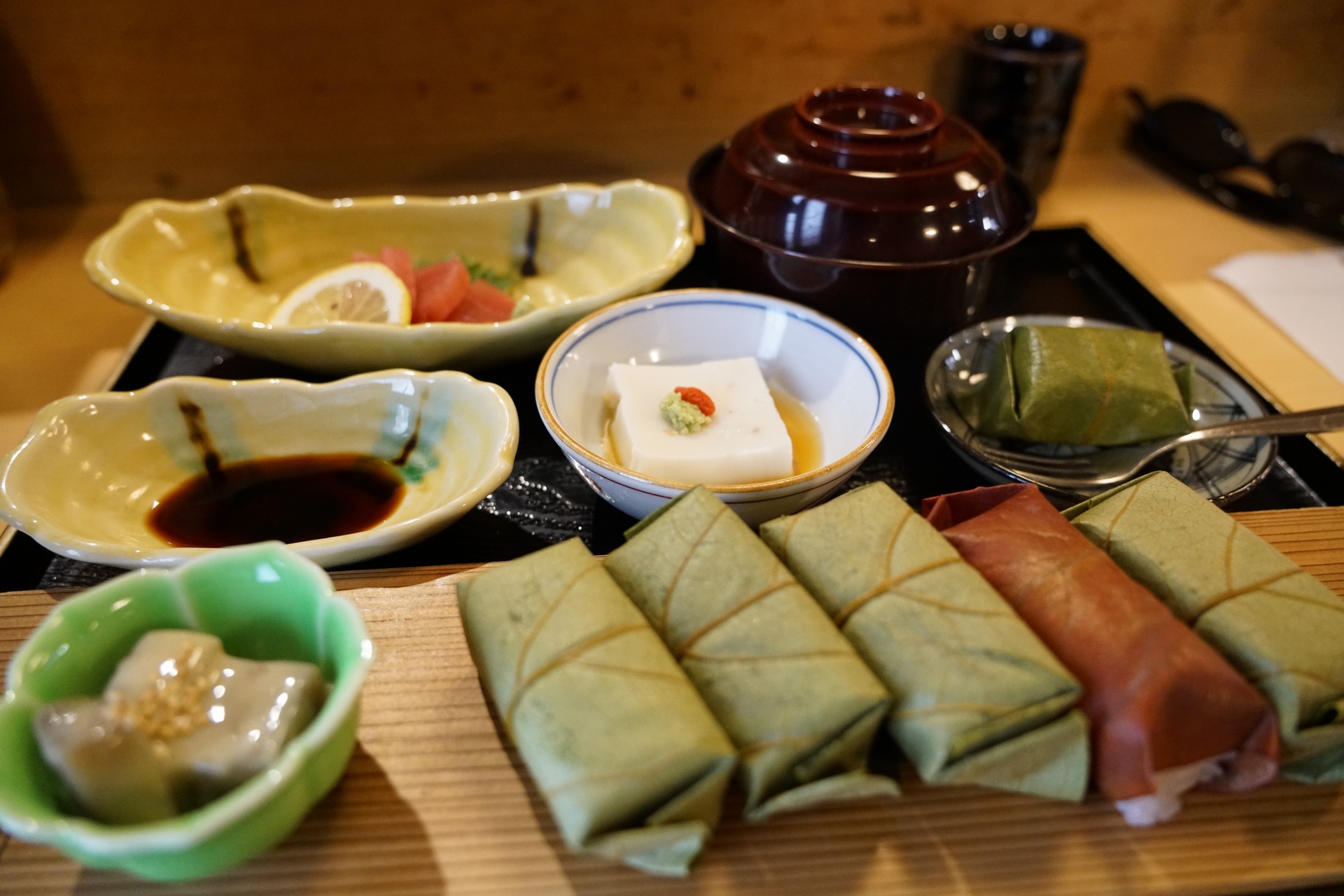
Traditional dishes that you’ll want to try in Nara include Kakinoha sushi.
Photo by Wynn Wygal on Shutterstock
The best experience in Nara is meeting the Sika deer with over a thousand roaming around the gate of the Todai-ji Temple. Nara is also a great place for exploring traditional Japanese teahouses, with many located around Isuien Garden. If you want a panoramic view of this historic district, take the hike up Mount Wakakusa, the perfect way to experience golden hour.
Day 7: Mount Fuji
Mount Fuji is a day trip that’s worth making when visiting Japan, whether you choose to stay overnight in Nara or if you’re staying in Kyoto. The Fuji Five Lakes region at the base of Mount Fuji is easiest reached from Kyoto via the shinkansen (bullet train) to Mishima station before taking an express bus to Kawaguchiko station. This entire journey can around 3 and a half hours, so you’ll want to set off early.

Mount Fuji is a day trip that’s worth making when visiting Japan.
Photo by Phurichaya Kitticharin on Unsplash
While it’s an extreme day trip, seeing Mount Fuji up close is a bucket list experience for many travelers. You’ll want to decide whether you want to get as close to the mountain as possible or if you want the best view, as these won’t be in the same places.
Hakone at the Fuji-Hakone-Izu National Park is one of the best places for seeing Mount Fuji, and the area is also famous for its hot springs (onsen). If you’re planning an overnight stay at the Fuji Five Lakes, it’s worth heading out early in the morning to get the best views of Mount Fuji before the clouds roll in.
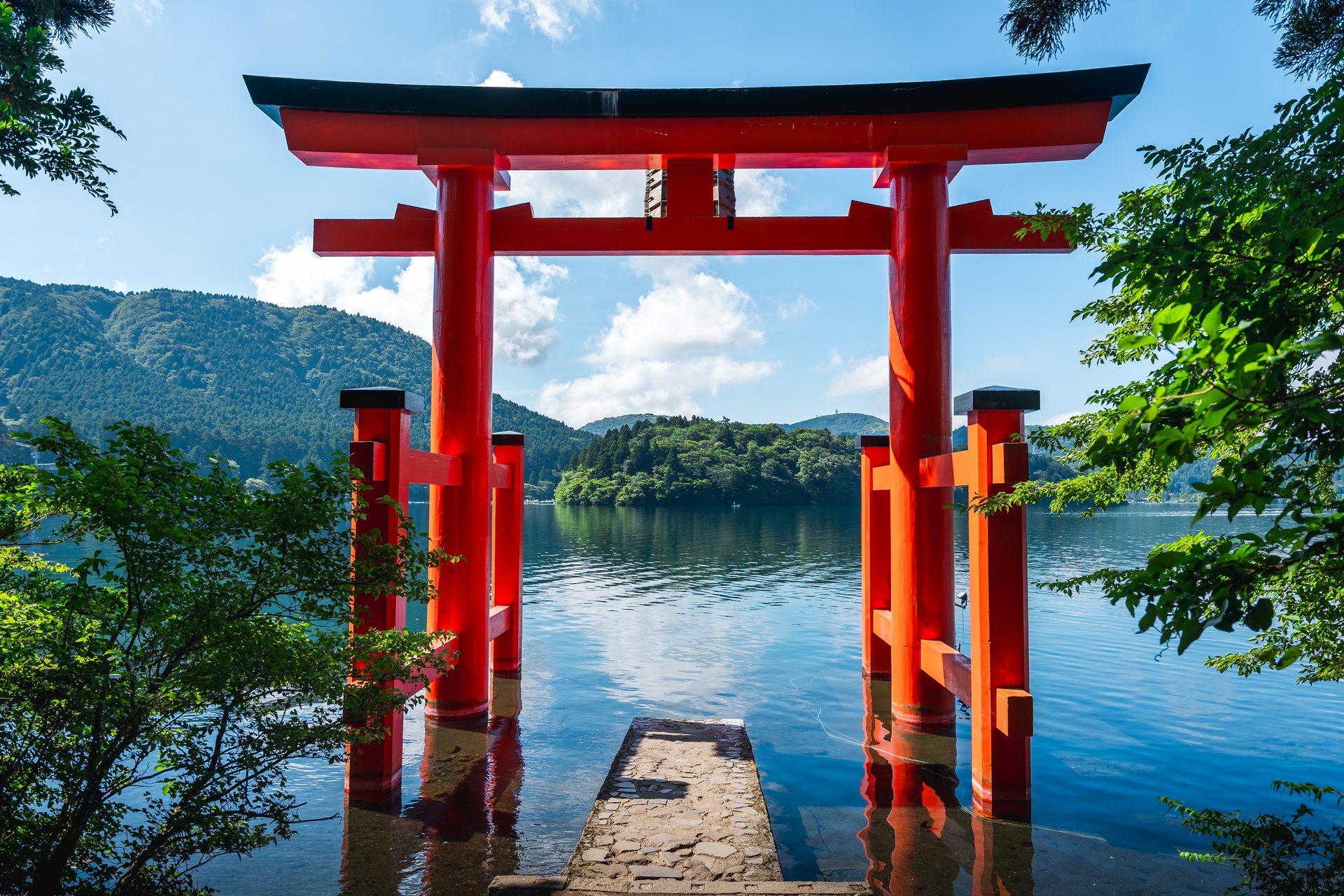
Hakone at the Fuji-Hakone-Izu National Park is one of the best places for seeing Mount Fuji.
Photo by Andreas_Fotos on Shutterstock
Your activities will vary depending on where you decide to experience Mount Fuji from. It’s easy to combine a visit to Mount Fuji with a wellness-focused itinerary, especially if you want the chance to indulge in some of the best hot springs in Japan.
ZenHotels insight
If you don’t want to visit Mount Fuji, you can adjust this itinerary by spending longer in Nara (we love the idea of an extra day exploring Arashiyama!), or you can head straight to Osaka if you want to spend a few extra days there.
Accommodation and where to stay at Fuji Five Lakes
If you decide to stay overnight at the Fuji Five Lakes, you can adjust this itinerary to swap out day 8 for an additional day at Mount Fuji.

If you decide to stay overnight at the Fuji Five Lakes, you can swap out day 8 for an additional day at Mount Fuji.
Photo by Svetlana Gumerova on Unsplash
Here are our recommendations of some for the best accommodation options for visiting Mount Fuji:
- Near Lake Kawaguchiko: Hotel Route – Inn Kawaguchiko
- Near Lake Yamanakaka: Fuji Yamanakako Hotel
Many hotels in the Fuji Five Lakes region will offer “Mount Fuji view” rooms, and it’s worth paying the upcharge if you’re only visiting for one night.
Food and local experiences in the Fuji Five Lakes
You can’t visit this region of Japan without going to an onsen. These hot springs are some of the best in Japan as they have high-quality geothermal mineral water, and many resorts and hotels offer onsen facilities with stunning views of Mount Fuji.
Day 8: Hiroshima (optional)
We’re labelling day 8 as an optional visit, both due to its historical context and the distance between Hiroshima and Kyoto, Nara, and the Fuji Five Lakes. If you decide not to visit Mount Fuji, a trip to Hiroshima may be a good alternative. Hiroshima has become a symbol of resilience and rebirth following World War II with the Peace Memorial Park and Museum.
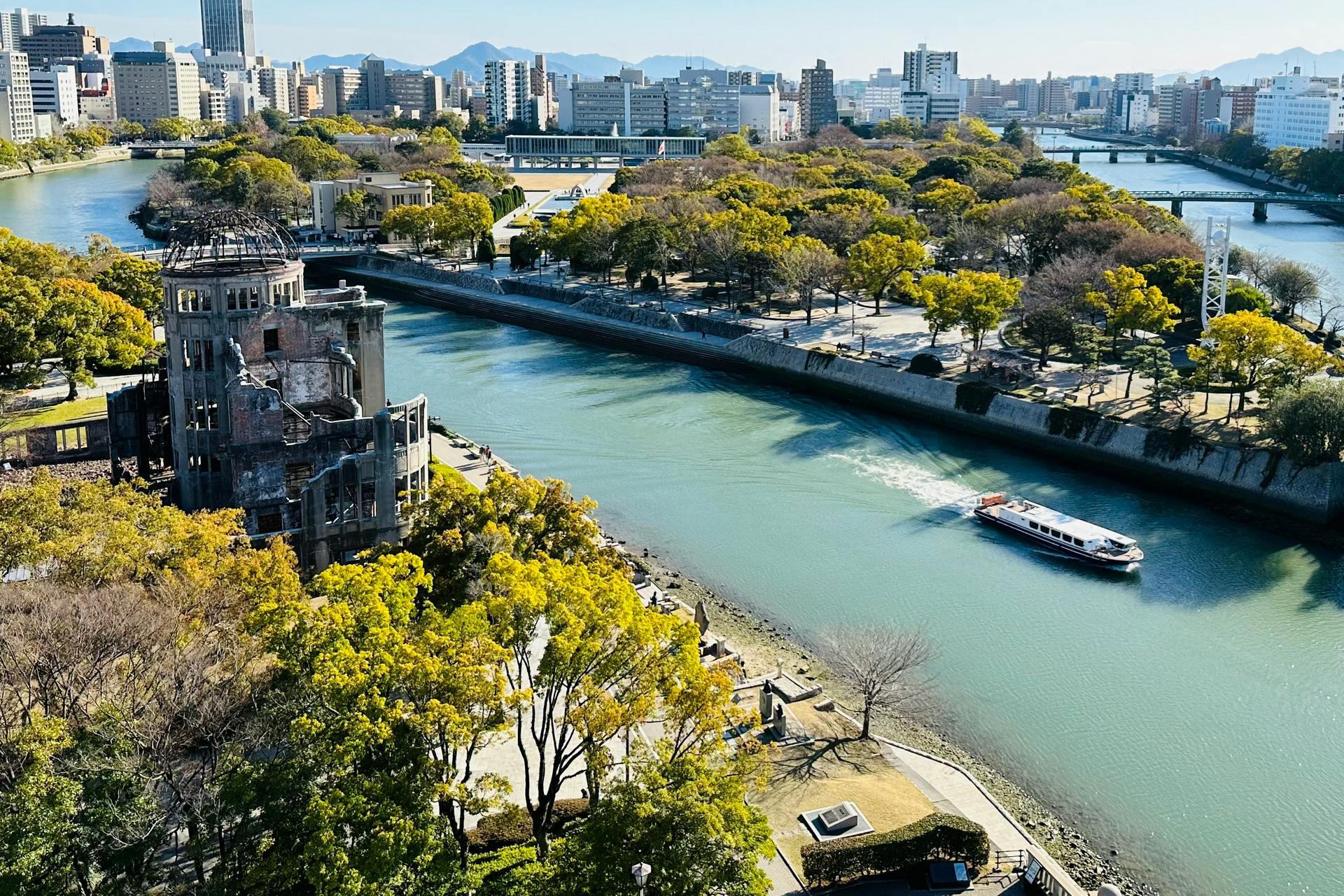
Hiroshima has become a symbol of resilience and rebirth following World War II.
Photo by Desmond Tawiah on Unsplash
It’s somewhere you’ll want to prioritize if you think this will be your only visit to Japan. There’s lots to explore in the city, from the “floating” shrine at Miyajima Island to the reconstructed Hiroshima Castle and the traditional Sukkeien Garden.
There’s no denying that a visit to Hiroshima is likely to take an emotional toll on any tourist, even those who don’t have a personal connection to the country or WW2. It may not be appropriate if you’re visiting with young children, but teenagers and those who have studied World War II and the impact of nuclear weapons could be deeply touched by the experience.
Accommodation and where to stay in Hiroshima
Hiroshima is easy to navigate by tram, and it’s a relatively small city compared to other popular tourist destinations. Ekinishi is an up-and-coming area in the middle of the city, while the Downtown area is popular with tourists. Alternatively, the Hiroshima Station Area is an ideal choice for solo travelers who want the convenience of being next to the main transport hub.
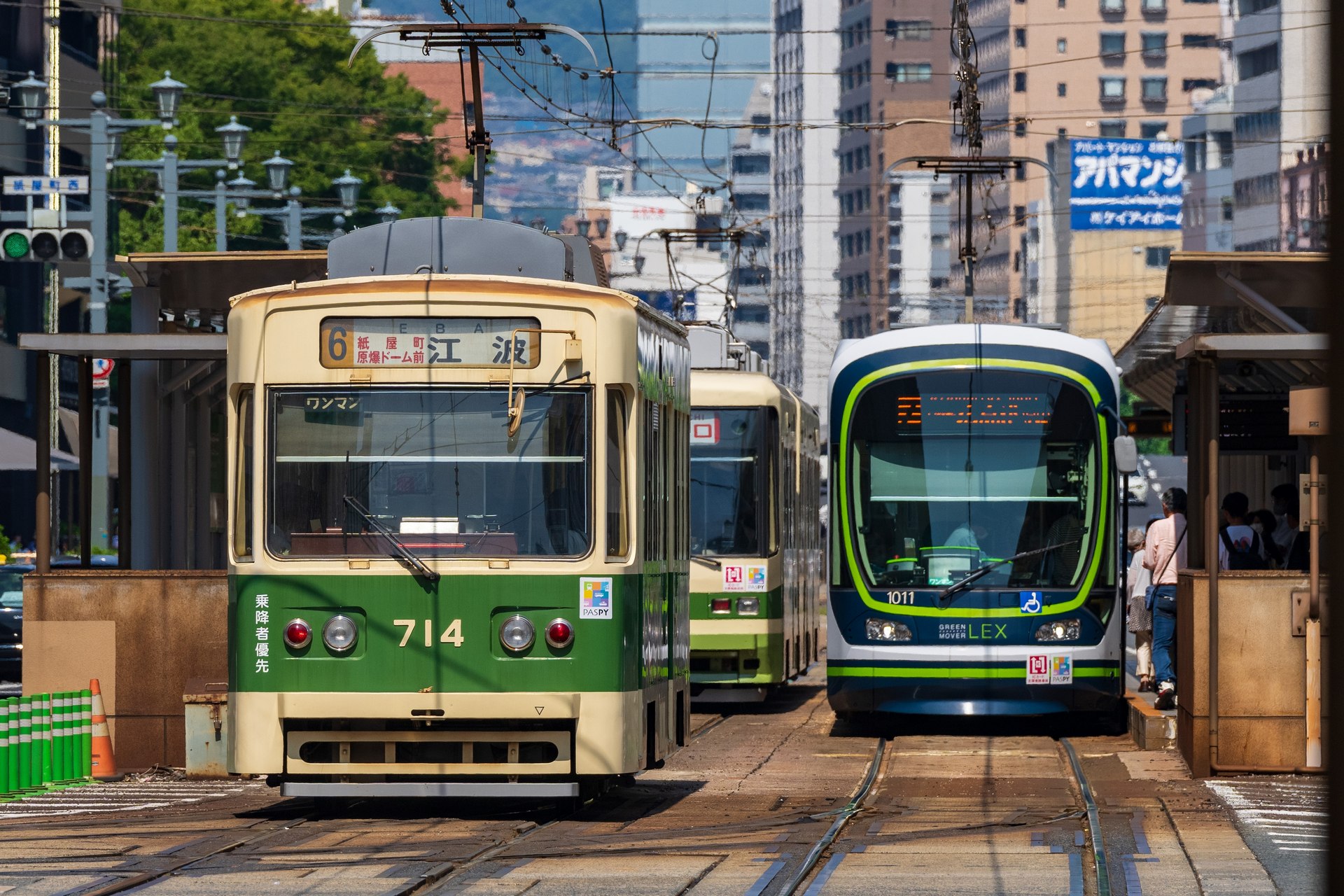
Hiroshima is easy to navigate by tram.
Photo by Hit1912 on Shutterstock
Here are our recommendations for some of the best accommodation options for Hiroshima:
- Budget-conscious: Mitsui Garden Hotel Hiroshima
- Modern hotel: Kuretakesou Hiroshima Otemachi
- Close to city center: Grand Base Hiroshima Peace Memorial Park
Food and local experiences in Hiroshima
Hiroshima is known for its signature okonomiyaki, a dish of layered savory pancakes, anago, a type of saltwater eel, and fresh oysters. One of the most impactful experiences you can have at Hiroshima is seeing the “Flame of Peace”, which is designed to burn until all nuclear weapons are gone and is located close to the main museum.
Day 9 to 10: Osaka
Osaka is Japan’s second-largest city after Tokyo and one of the most popular tourist destinations. Depending on how you modify this itinerary, you can get to Osaka from Hiroshima via the Sanyo Shinkansen, which takes around 80 minutes.

Alternatively, you can reach Osaka from the Mount Fuji region by taking a bus from Kawaguchiko to Mishima Station before taking the 2-hour Tokaido Shinkansen to Shin-Osaka Station. Budget-conscious travelers or backpackers could save on accommodation costs by taking the night bus, which takes around 9 hours.
Day 9: Osaka Castle and Dotonbori
Once you arrive at Osaka, stretch your legs and head to Osaka Castle, one of the country’s most famous landmarks. It’s at the heart of the city center and was originally built in the 1580s before being reconstructed in the 1930s. You can learn about the samurai history and head to the 8th floor inside the castle to enjoy panoramic views of the city.
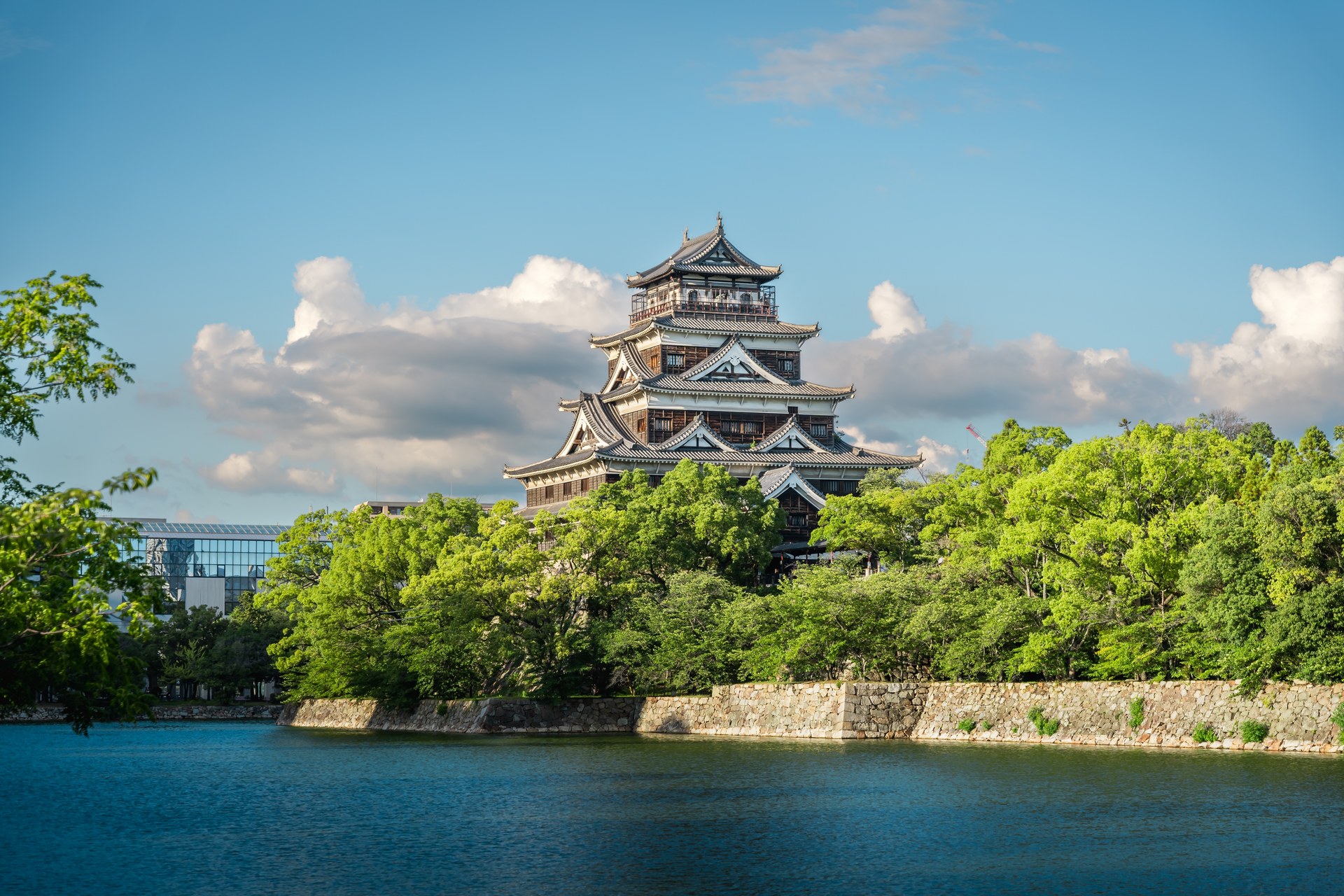
Once you arrive at Osaka, stretch your legs and head to Osaka Castle.
Photo by Andreas_Fotos on Shutterstock
Don’t worry about the language barrier as most of the museum inside the castle offers English translation, and there are also interactive displays, ideal for kids. The park around Osaka Castle is a great way to ease into your time in the city, with plenty of small restaurants nearby.
After checking into your accommodation, head to Dotonbori to see the famous Glico Running Man sign and sample some of the street food for a cheap dinner. If you’re looking to try Osaka’s famous okonomiyaki, we have an entire guide dedicated to the 10 highest-rated restaurants for okonomiyaki in Osaka.
Day 10: America Mura and Katsuo-ji Temple
You want to spend your last day in Japan taking things a little slow, especially if you have a long flight home. It’s no secret that Japan offers some of the best shopping, whether you’re looking for affordable vintage designer bags or hunting for Pokémon merchandise.

Japan offers some of the best shopping.
Photo by Jezael Melgoza on Unsplash
Your final day in Osaka is the perfect opportunity to use the rest of your holiday budget in Amerikamura (also known as America Mura), the city’s equivalent of Harajuku. There are over 2,500 shops to explore, with a large concrete plaza where you’ll often find street performances. It’s close to both Dotonbori and Triangle Park, with plenty of independent cafes and restaurants.
Accommodation and where to stay in Osaka
Namba is the best place to stay in Osaka if you want to explore the nightlife, while Shinsekai is ideal for budget-conscious travelers. If you’re planning to adapt this itinerary by visiting Universal Studios, then it’s worth staying at Osaka Bay.
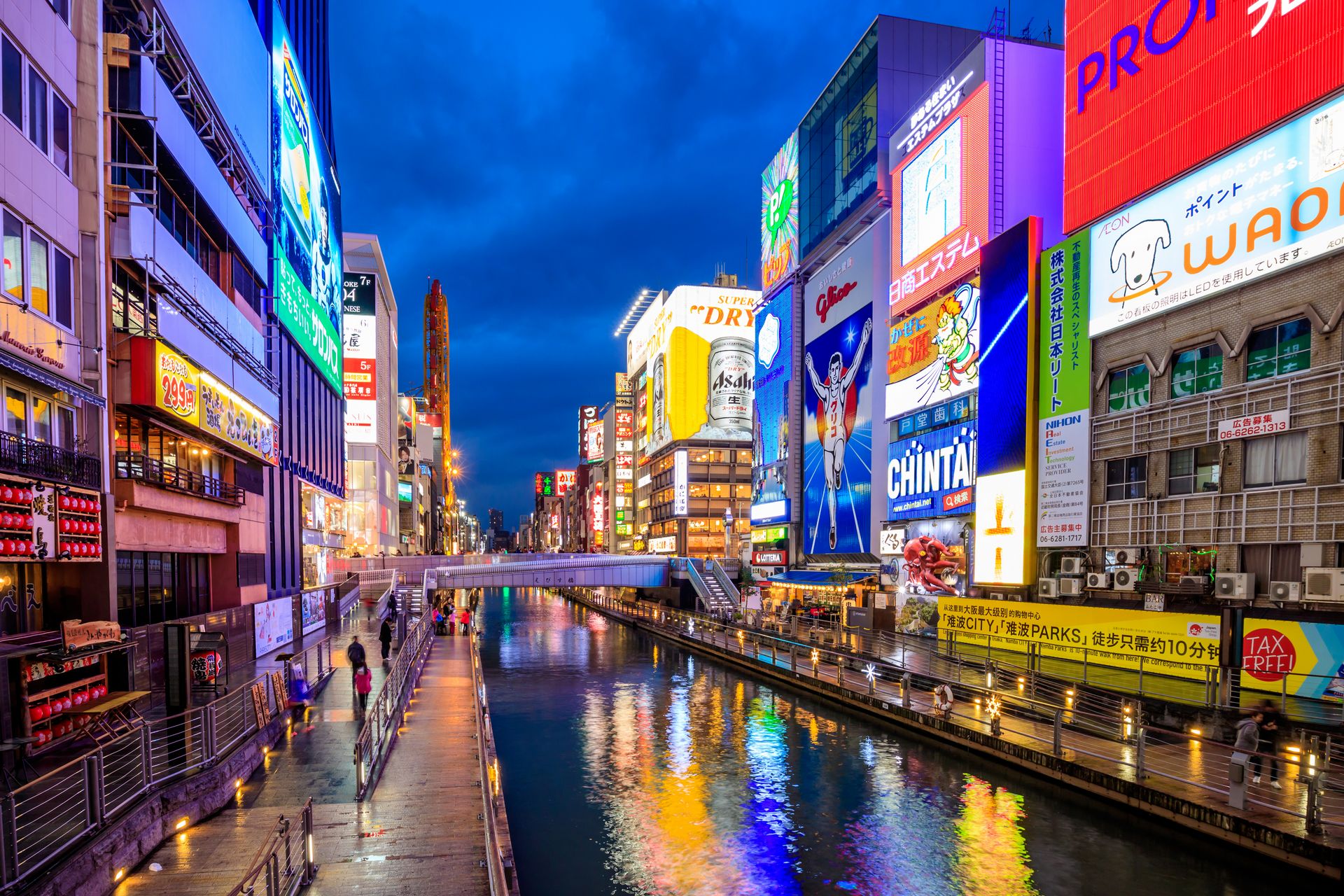
Namba is the best place to stay in Osaka if you want to explore the nightlife.
Photo by f11photo on Shutterstock
Here are our recommendations for some of the best accommodation options in Osaka:
- Best for families: Imperial Hotel Osaka
- Private apartment: yksi Stay & Apartment Osaka
- Budget-conscious: &And Hostel Shinsaibashi East
Food and local experiences in Osaka
There’s something to suit everyone’s taste buds in Osaka. Shinsekai and Tsutenkaku Tower are great options for budget-travelers looking for cheap street food (without compromising on quality!). Make sure to try the kushikatsu (deep-fried skewers), Takoyaki (octopus balls), and okonomiyaki.
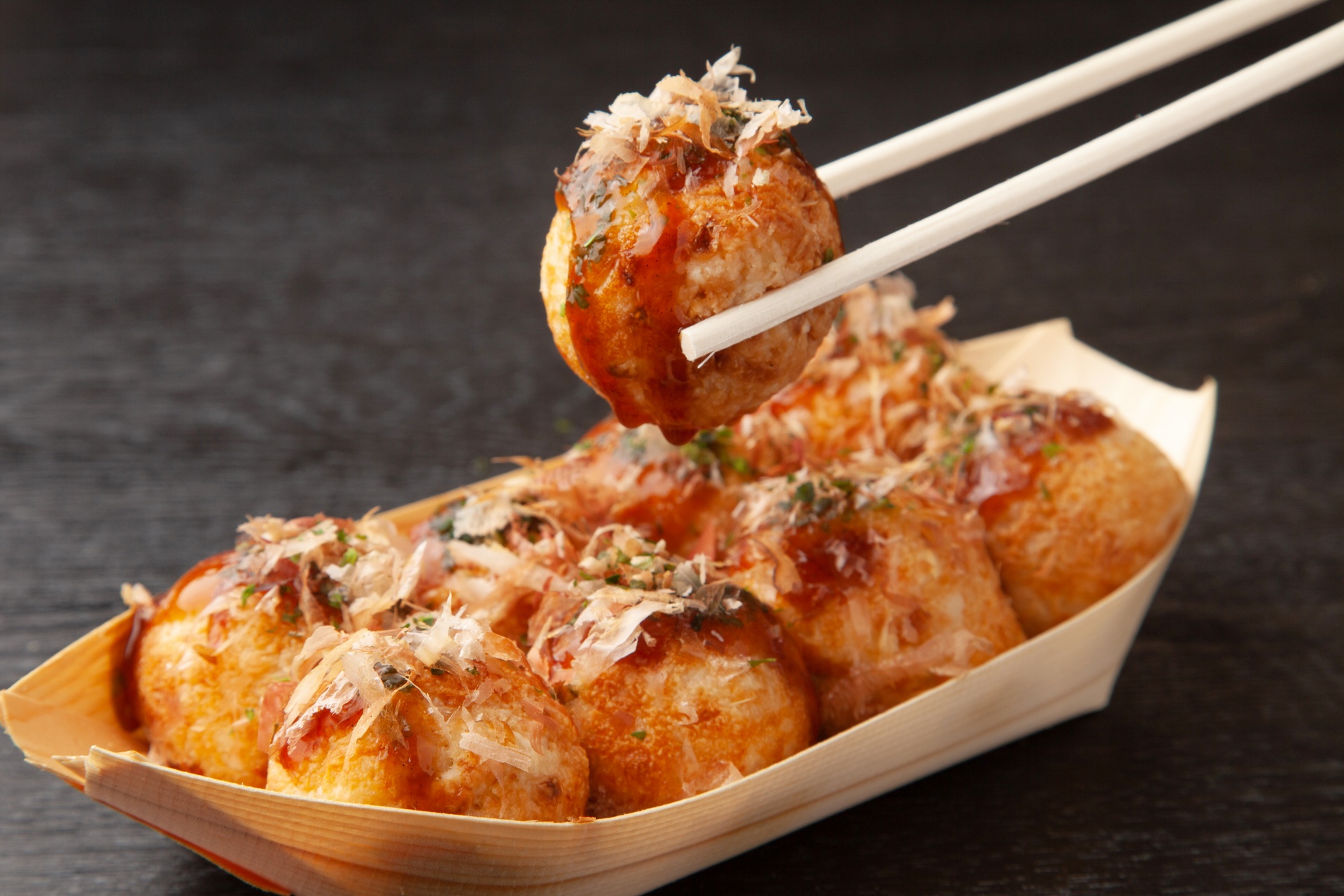
Make sure to try the kushikatsu (deep-fried skewers), Takoyaki (octopus balls), and okonomiyaki.
Photo by sasazawa on Shutterstock
Couples who want a relaxing experience should head to Solaniwa Onsen, while the Sumiyoshi Taisha Shrine showcases some of Japan’s most unique pre-Buddhist architecture. Osaka is also one of the best cities for tax-free shopping, with Shinsaibashi-suji being the most popular shopping arcade for tourists.
Practical travel tips for a 10-day trip to Japan
A vacation to Japan is often the first time that tourists visit Asia. A little research and preparation in advance can help make your trip to Japan more enjoyable and affordable.
Here are 6 of our top tips to know before visiting:
- Download an eSIM before you arrive to give you data and phone access. These are easy to download directly to your phone, and you can opt for a specific data package or a multi-day plan. Airalo, Ubigi, and Holafly are some of the most popular eSIM providers for Japan.
- Google Maps is your best friend for navigating around Japan, as the street-address system is liable to confuse even the locals!
- Bring a credit or debit card that doesn’t charge currency exchange fees, as it’s one of the easiest ways to waste your money. Most digital banks won’t charge these, and you’ll just pay the daily exchange rate.
- You can use ZenHotels’ map feature to find accommodation options close to your preferred attractions or near major transport hubs.
- While you’ll want to bring a little cash, especially if you’re visiting Nara, most places will accept debit cards. If you need extra cash, head to a konbini (convenience store) to use their ATMs, as they tend to be more reliable for international cards.
- Do a little research into Japanese social etiquette before visiting and learn a few basic phrases to help you interact with the locals.
- Japan is susceptible to typhoons and earthquakes, especially from July to September. It’s a good idea to download the official “Safety Tips” app for push notifications about early earthquake warnings.
How to adjust our Japan itinerary to suit your travel needs
Everyone approaches a visit to Japan differently. You’ll want to prioritize the reasons why you want to visit, whether it’s visiting Buddhist temples, seeing the cherry blossoms in bloom, or even hitting the ski slopes in Hokkaido. Our itinerary won’t suit everyone, but it’s a great template to show you what you can realistically achieve during a 10-day visit.
If you want to visit theme parks like Universal Studios Japan or Disney Sea, consider swapping out the Mount Fuji or Hiroshima days in this itinerary. Universal Studios is close to Osaka, and you can visit most of the highlights within one day, while the Tokyo Disney Parks are best visited over at least 2 days.

Universal Studios is close to Osaka, and you can visit most of the highlights within one day.
Photo by Gio Almonte on Unsplash
While we recommend ending your trip in Osaka, you could also modify this itinerary by starting in Osaka and ending in Tokyo. Although Itami Airport serves as Osaka’s “international airport”, it’s primarily a domestic hub with airlines like Japan Airlines and IBEX Airlines. Depending on where you’re traveling home to, you’ll likely connect through China or the Middle East to finish your journey on other international airlines.
Plan a 10-day Japanese getaway with ZenHotels
You won’t see everything in Japan over 10 days, but it’s the perfect amount of time to give you a taste of the country and allow you to tick off 3-4 major destinations. You’ll want to adapt any itinerary (including ours!) to suit your travel needs, mobility, interests, and budget. While day trips and overnight visits to Mount Fuji and Hiroshima might appeal to you, they won’t work for everyone’s itinerary.
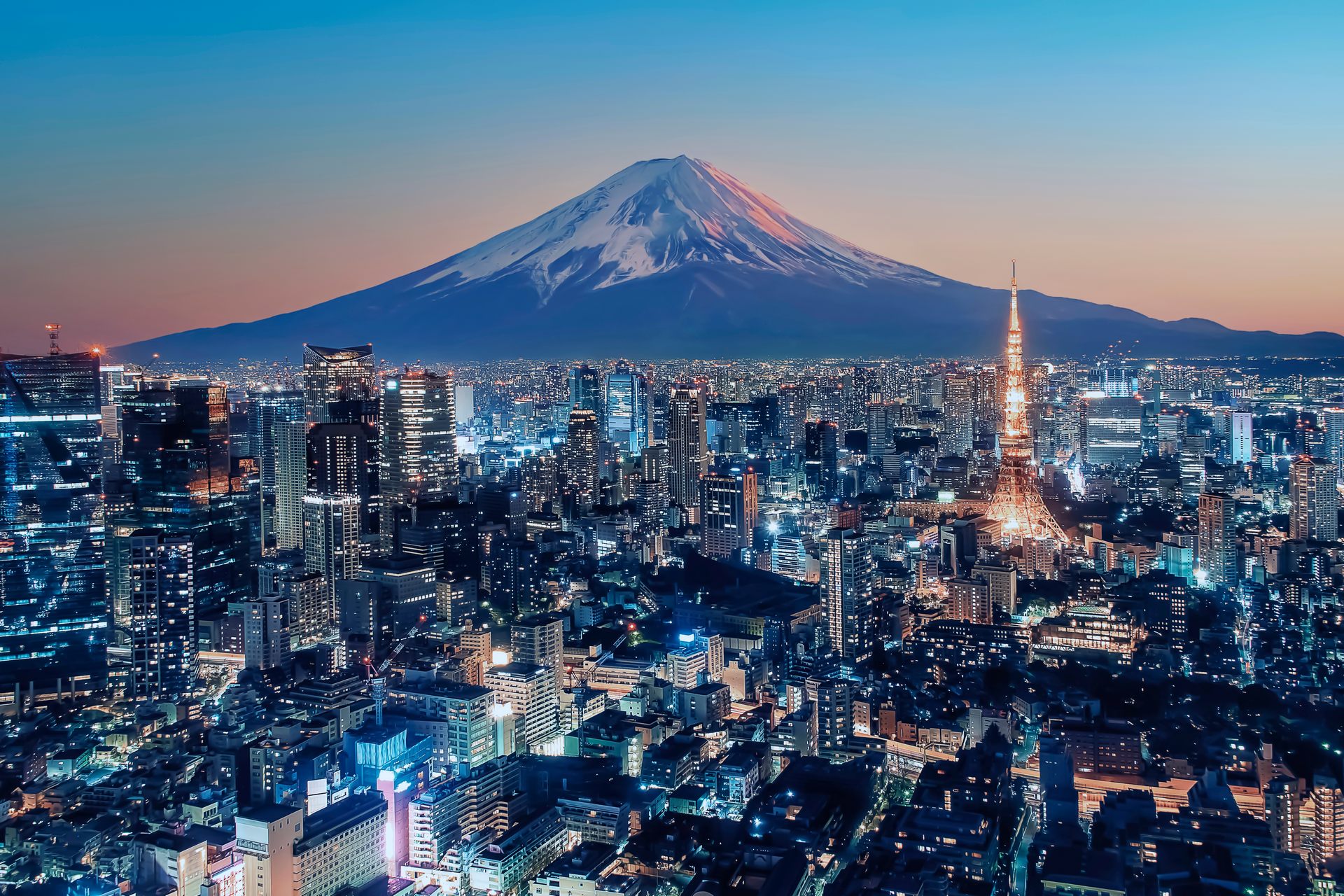
You won’t see everything in Japan over 10 days, but it’s the perfect amount of time to give you a taste of the country.
Photo by Stockbym on Shutterstock
Use this guide as a starting point and personalize each step of the itinerary to suit your interests – but be realistic about what you can achieve each day. No one wants to get burnt out on vacation!
At ZenHotels, we’re here to help you plan your dream vacation to Japan with accommodation options to suit every budget and destination, from Sapporo to Tokyo and Nagoya. Are you looking for more options for your 2026 holidays? Explore top destinations on ZenHotels and get more expert-curated travel tips for Japan by visiting our blog.