

 701
701 14 minutes read
Contents
- Eating and dining etiquette
- Public transport and street manners
- Accommodation and going to local homes
- What to do when visiting an Onsen
- General to follow manners in Japan
- What to know before visiting Japan
- Easy Japanese phrases to show respect
- FAQs on what is rude in Japan
Eating and dining etiquette
There’s no shortage of exceptional food to try in Japan, whether you’re planning to try Okonomiyaki in Osaka or want to expand your culinary horizons with authentic sushi. Eating and dining etiquette is where many tourists make mistakes – and not always for the reasons you might think.
When you start a meal, it’s customary to give thanks by saying “itadakimasu” (いただきます), pronounced as ee-tah-dah-kee-mass. Afterwards, you can thank your server by saying “gochisousama deshita” (ごちそうさまでした), pronounced as go-chee-so-sama-desh-ta.
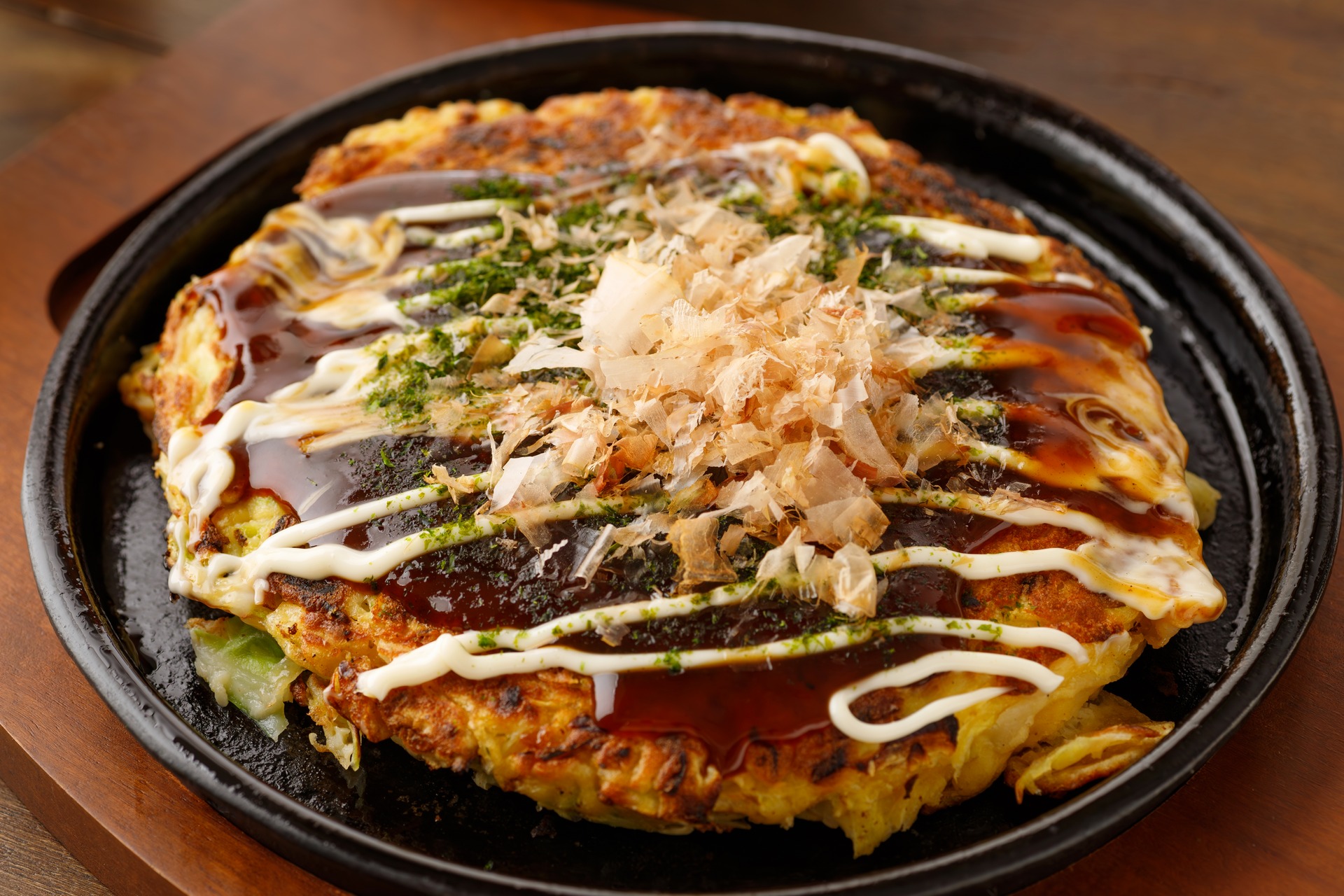
There’s no shortage of exceptional food to try in Japan.
Photo by koarakko on Shutterstock
Some of the things we might consider rude in Western culture are actually encouraged when dining in Japan. Slurping your food is seen as a compliment to the chef, though you should only slurp when eating food with a broth. Other standard etiquette, like blowing your nose or burping during a meal, is still rude.
While the country is famous for its hospitality, tipping after a meal is frowned upon as it’s considered a sign that you haven’t had excellent service elsewhere or that you think the staff isn’t paid enough. Trying to leave a tip behind after your meal might end with your waiter chasing you down to give it back.
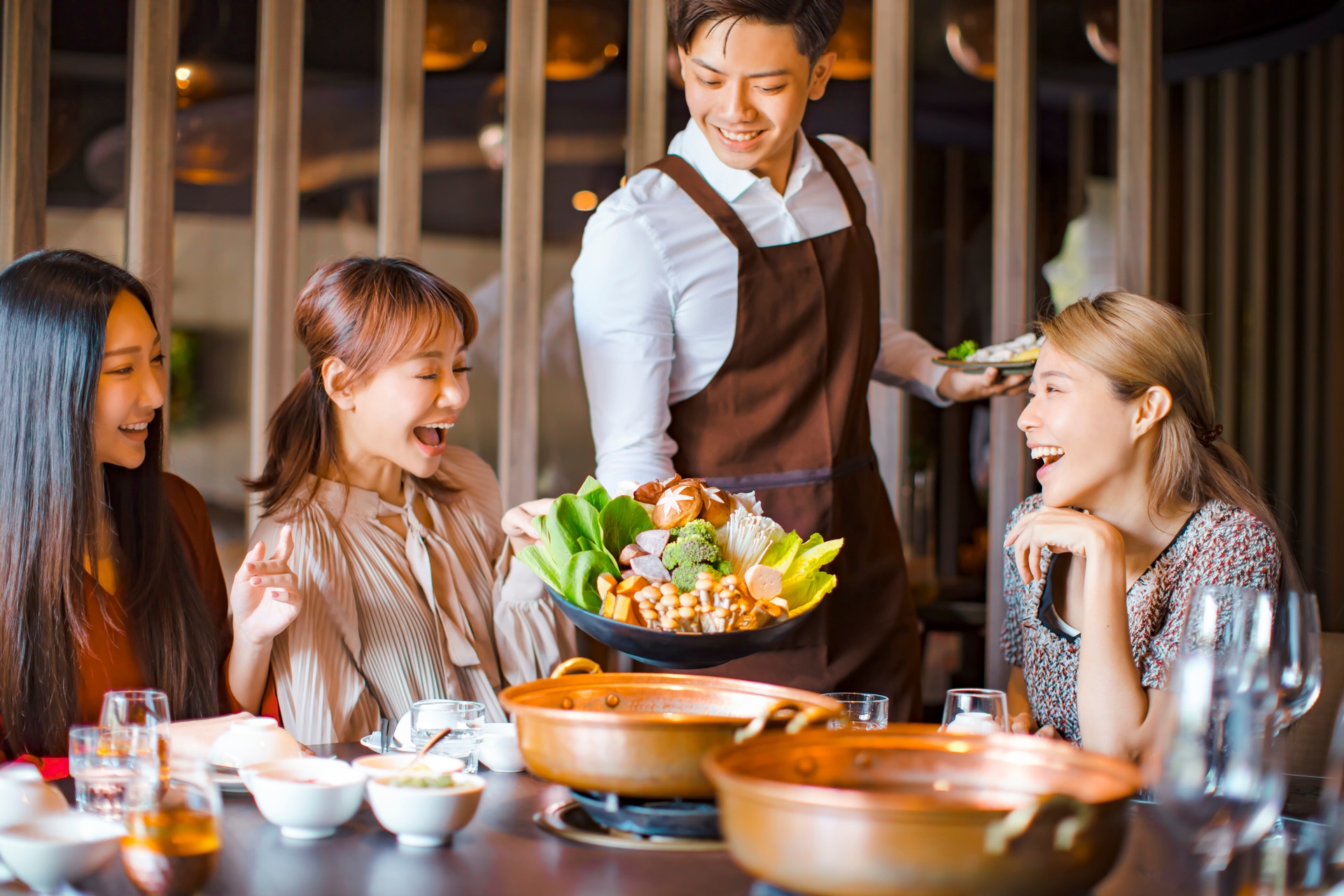
While Japan is famous for its hospitality, tipping after a meal is frowned upon.
Photo by Tom Wang on Shutterstock
Walking and eating at the same time is seen as bad manners in Japan, as well as eating in most outdoor places, including on local trains. When you’re in Japan, it’s easy to see that cleanliness, of both your body and elsewhere, is just as important as having good manners.
Eating on the go in public is usually viewed as unhygienic, especially as it can be difficult to find a trash bin to put your leftovers or rubbish into. Similarly, it’s also rude to make a mess when dining in public, even if you have kids. It’s worth keeping some wet wipes in your bag to clean up after you.
How to eat sushi in Japan
Japan is one of the best places in the world for eating sushi, but they take their sushi etiquette very seriously. Although rules aren’t usually enforced in more casual restaurants, including those that serve their sushi with a conveyor belt, you can expect your server to correct you if you’re dining at a small, local restaurant.
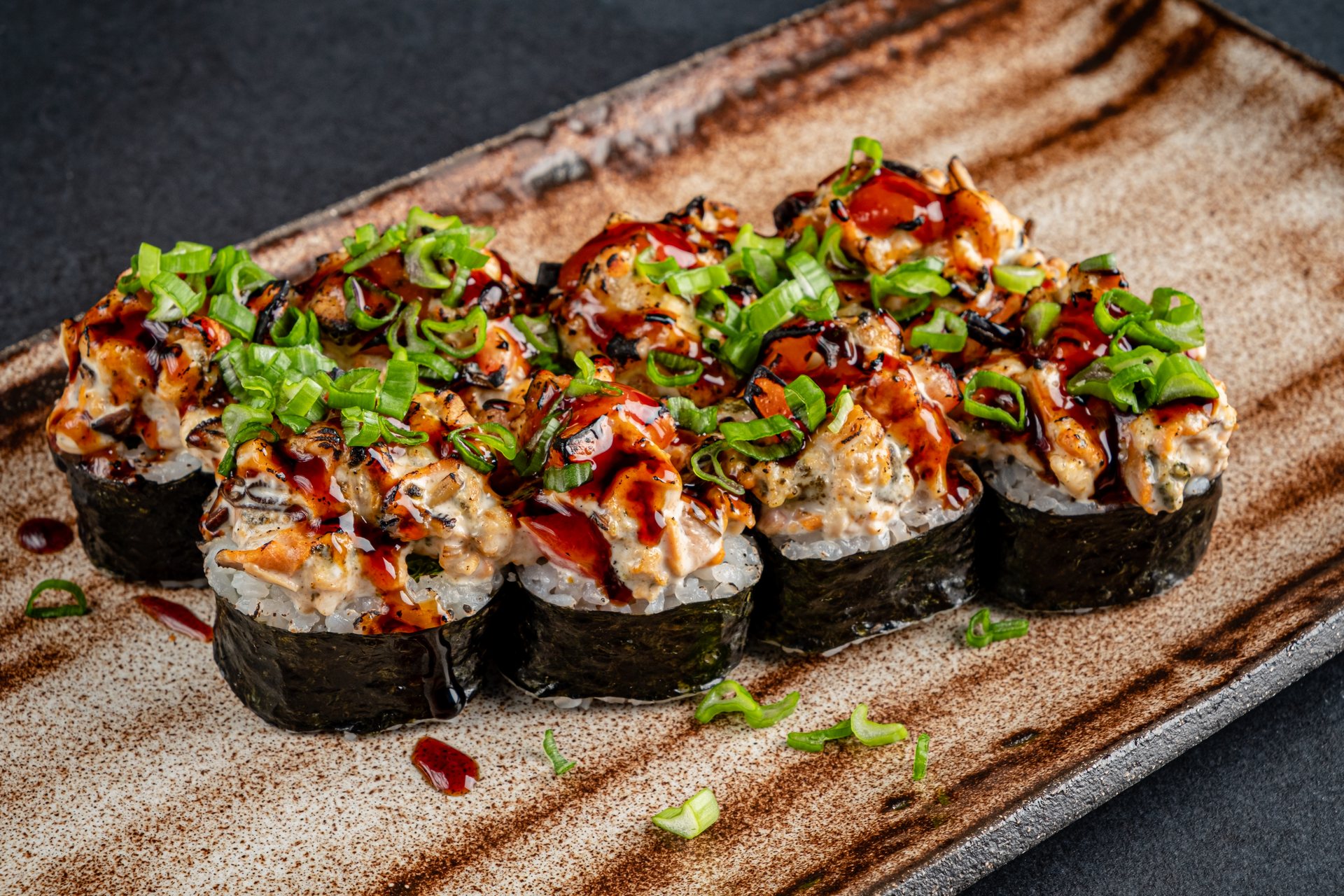
Japan is one of the best places in the world for eating sushi.
Photo by Shebeko on Shutterstock
While chopsticks are the most popular way to eat sushi, you can also use your hands. However, it’s important to only dip the fish portion of your sushi into your soy sauce. It’s also frowned upon to mix your soy sauce and wasabi. Don’t lift larger sushi plates from the table. If you’re struggling and prefer not to use your hands, you can move your sushi to a smaller plate and use it to bring the food closer to your mouth.
How to correctly use chopsticks
It’s a good idea to spend a little time familiarizing yourself with chopsticks before embarking on your travels, especially if you plan to visit culinary highlights like Osaka, Tokyo, and Kyoto.
Gently rub your chopsticks together to separate them, instead of pulling them apart. Your chopsticks should always be held parallel to each other, and you shouldn’t use the same end of your chopsticks to pass food to other people at your table.

Gently rub your chopsticks together to separate them, instead of pulling them apart.
Photo by Andres.Huertas on Shutterstock
Don’t stab your food with your utensils and always place them flat on the table when you’re finished or taking a break. It’s disrespectful to put your chopsticks upright in a rice bowl, as this is seen as bad luck, given its connection to funeral rituals.
Public transport and street manners
Public transport is one of the best ways to get around Japan, whether you’re attending the Sapporo Snow Festival or if you’re shopping in Tokyo. Most tourists will choose to get a JR Pass, so it’s important to know how to behave when taking the train.
- Most public transport has priority seating, which is reserved for pregnant women, those with disabilities, and seniors. Don’t take these seats unless you qualify for them and be prepared to give up your seat if you sit there by mistake.
- If you’re taking luggage on a train, make sure to place it in the correct area. Larger bags usually have a designated space on the Shinkansen (bullet train), but you can also put smaller pieces of luggage into the overhead racks or the space behind the last row of seats in a train carriage.
- Always wear headphones when listening to music in public and don’t talk on your phone on a train or in busy public areas.
- Make sure to stand on the correct side of the escalator. In most cities, you’ll stand on the left and walk on the right. However, you’ll stand on the right and walk on the left in the Kansai region, including in Osaka and Kyoto.
- Never skip the queue to board a train and make sure to allow passengers to exit before getting on board.
- Don’t leave litter behind in public. While it can be hard to find a trash can, you’ll usually see them next to convenience shops, known as konbini.
- Smoking is only allowed in designated areas, even in outdoor spaces.
- If you’re taking a taxi, the driver will open the door for you from the inside, and the doors will open automatically after you pay your fare.

Public transport is one of the best ways to get around Japan.
Photo by Sergey_Bogomyako on Shutterstock
Accommodation and going to local homes
Footwear is one of the things that is most likely to catch you out when in Japan for the first time. As part of the culture’s focus on cleanliness, both for the body and elsewhere, it’s expected to remove your outdoor shoes before stepping inside a house or establishment. You’ll usually find slippers next to the front door for you to change into.
It’s important to wear socks or bring a pair in your bag if you’re planning to visit a temple, home, or traditional restaurant where you’ll be asked to remove your shoes. Footwear etiquette doesn’t end there! You’ll also be expected to change into a different pair of slippers when going to the bathroom. While this rule is mainly for hygiene, it is also intended to protect the tatami floors that you’ll find in most traditional buildings.

You’ll usually find slippers next to the front door for you to change into.
Photo by Chokniti-Studio on Shutterstock
When you enter a home, it’s polite to greet other people by saying “Ojamashimasu” (お邪魔します), pronounced as oh-jah-mah-shee-mahs. When you’re leaving, it’s customary to say “Otsukaresama” (お疲れ様です), pronounced as oh-tsu-kah-reh-sah-mah. If you’re going to someone’s home, it’s good manners to bring an omiyage or souvenir to show your gratitude.
What to do when visiting an Onsen
Visiting an onsen is one of the highlights of any trip to Japan, whether you’re looking to relax after a music festival or if you’re attending Gion Matsuri. These are public hot springs, although sometimes traditional hotels will offer a private onsen for guests. While most onsens traditionally have hot springs which are separated by gender, newer establishments also offer co-ed spaces.

Visiting an onsen is one of the highlights of any trip to Japan.
Photo by Dpongvit on Shutterstock
Here are the correct etiquette rules to follow when going to an onsen:
- Although most require guests to get into the water naked, just as you would do when going to the bath, some co-ed spaces will instead require a bathing suit. Make sure to double-check before booking.
- Always shower before getting into the hot springs once you arrive. Bring a small towel when getting ready and leave your clothes in the changing room. You should wear the towel when heading into the onsen and remove it before getting into the water.
- Privacy is a major concern in Japan, and photography is strictly prohibited in an onsen.
- Long hair should be tied up to ensure it doesn’t touch the water. Towels should also be kept away from the water.
- Tattoos are still a divisive subject in Japan, and some onsens will not allow you entry if you have visible tattoos. However, some newer establishments may allow you to cover up your tattoo with a skin-colored sticker.
General to follow manners in Japan
While you might be nervous about eating with chopsticks in Japan or going to an onsen, it’s often the smaller interactions that you have that may be seen as disrespectful. Some etiquette rules are similar to that of Europe and North America, but there’s a greater focus on respecting individual privacy and keeping disruptions to a minimum.
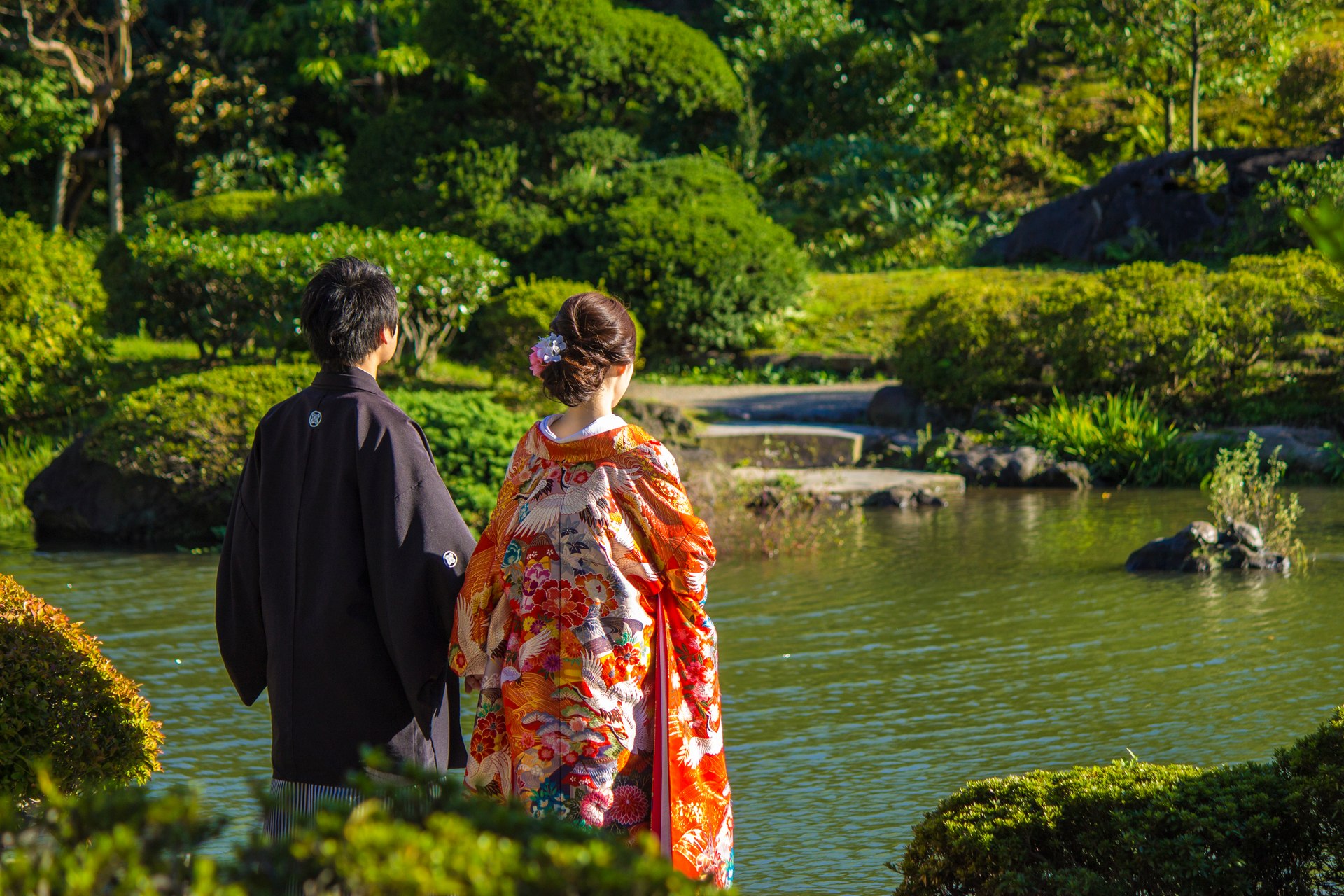
In Japan, there’s a greater focus on respecting individual privacy and keeping disruptions to a minimum.
Photo by Guadalupe Polito on Shutterstock
For example, public displays of affection are rare in Japanese culture. While it’s acceptable to hold hands in public, you’ll want to keep more intimate body interactions, including kisses and hugs, to the privacy of your accommodation.
Although we live in a world where social media dominates our daily interactions, filming in public or taking photos of strangers is considered disrespectful. Always ask for permission before taking photos in temples and look out for any signs that strictly prohibit photos. Try not to have strangers in your vacation photos wherever possible.
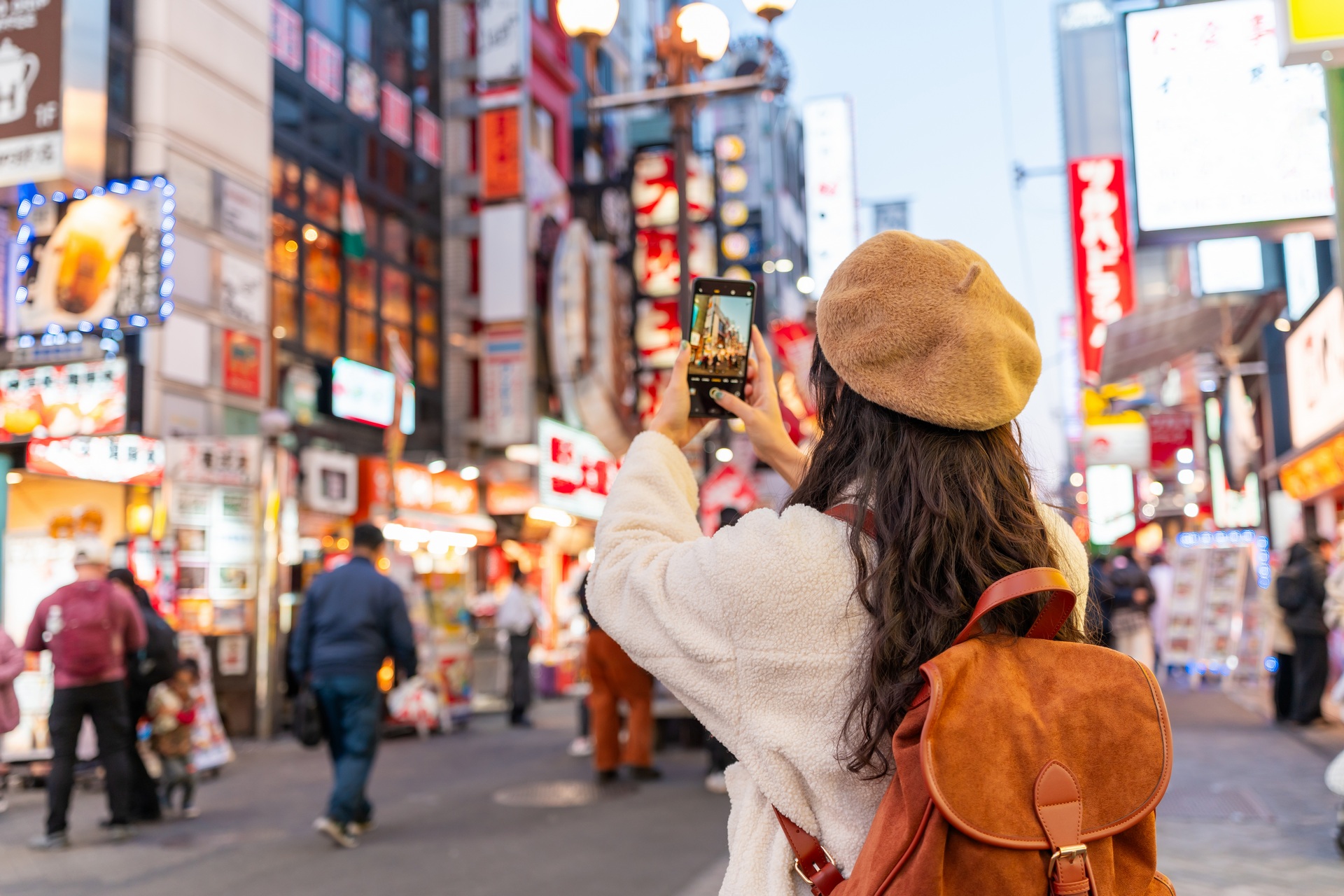
Try not to have strangers in your vacation photos wherever possible.
Photo by kitzcorner on Shutterstock
Here is some basic social etiquette rules to know when visiting Japan:
- Avoid making too much eye contact with strangers. While this is considered polite in Western culture, it’s seen as disrespectful in Asia.
- Don’t shake hands when you meet local people. Instead, keep a small distance and bow towards them.
- Never hand money directly to a cashier in a shop. Instead, place it on the small tray on the counter. This tray is where the cashier will put your receipt and any remaining change. Counting your money in front of a cashier is considered disrespectful as it suggests a lack of trust.
- Any shared spaces, including in parks and hotels, should be cleaned immediately afterwards.
- Make sure to use the correct trash facilities when getting rid of rubbish, including putting single-use plastic in the correct bin.
- Keep your voice low when using public transport and avoid disturbing your fellow diners when eating in a restaurant.
- Avoid interrupting others when they’re speaking or talking over them.
- Don’t wear heavy perfumes or deodorants as it’s seen as inconsiderate to other people who may be sensitive to those smells.
- It’s rude to refuse food, even if you don’t intend to eat it. Instead, accept it anyway and leave it on your table if you’re unable to eat it.
- Don’t put your backpack or handbag on the floor as this is seen as unhygienic. Instead, use the hook or basket that you’ll usually find under your table.
- Always walk on the left on a public sidewalk and make sure to respect personal space when using trains and other transport.
- If you’re sick or have a cold, make sure to wear a mask and avoid blowing your nose in public. Depending on your level of sickness, it may be better to take the day off and stay in your accommodation rather than venturing outside.

It’s rude to refuse food, even if you don’t intend to eat it.
Photo by buritora on Shutterstock
What to know before visiting Japan
Understanding etiquette rules is only one part of travel planning when heading to a new destination for the first time. While you’re using Duolingo or another platform to brush up on your Japanese, it’s worth doing a little planning to ensure your vacation is as stress-free as possible.
Here are 10 of our top tips for visiting Japan:
- Credit and debit cards are accepted in most places, but it’s usually a good idea to keep some cash on you, especially for street vendors. A konbini is usually the best place to find a reliable ATM for international cards and can be found on your way to any train station. Make sure you have a debit card that doesn’t charge foreign transaction fees.
- Wear shoes that are easy to slip on and off, as you’ll have to swap them for slippers before entering religious sites or traditional buildings.
- Popular attraction tickets usually sell out weeks in advance, especially for the Ghibli Museum and Disneyland, so don’t rely on buying tickets at the entrance. Do your research and plan your itinerary at least a month in advance to ensure you get the tickets you want.
- If you’re traveling with a lot of luggage, it’s worth paying for a takkyubin (luggage delivery service) to move your extra suitcases from one city to the next, instead of taking them on the train by yourself.
- Visit the “Visit Japan” website when you arrive in the country, as this may speed up the immigration process, depending on where you’re visiting from.
- You’ll need a reliable app like Google Maps to navigate Japan’s address system and streets, so it’s worth getting an eSIM with plenty of data to save on the cost of roaming fees.
- You can use the map feature when searching for accommodation on ZenHotels to find properties close to major train stations and attractions.
- Your electrical items, such as hair stylers, may not work in Japan as the country uses a lower voltage of 100V, compared to the 120V used in the United States.
- Over-the-counter medications can be difficult to access in Japan, especially for a first-time traveler, so it’s worth packing an emergency kit for yourself with anything you might need for your trip.
- May to October is typhoon season for Japan, and the country sits on a major fault line, usually causing multiple earthquakes annually. Make sure to enable push notifications on your phone to get alerted by local authorities for early earthquake, tsunami, and extreme weather warnings.

Plan your itinerary at least a month in advance to ensure you get the tickets you want for the Ghibli Museum and Disneyland.
Photo by cowardlion on Shutterstock
Easy Japanese phrases to show respect
One of the best ways to show respect when you travel is to learn a few basic phrases for interacting with the local people. Below is our cheat sheet of the most useful Japanese phrases:
- Hello = Konnichiwa = こんにちは – koh-nee-chee-wah
- Goodbye = Sayonara = さようなら – sah-yoh-nah-rah
- Sorry/excuse me = Sumimasen = すみません – soo-mee-mah-sehn.
- Good morning = Ohayou gozaimasu = おはようございます – oh-hah-yoh go-zai-mass
- Good evening = Konbanwa = こんばんは – kohn-bahn-wah
- Thank you = Arigatou gozaimasu = ありがとうございます – ah-ree-gah-toh goh-zah-ee-mahs
- Can you speak English? = Eigo wo hanasemasu ka? = 英語を話せますか – ay-go oh hah-nah-she-mass kah?
FAQs on what is rude in Japan
Start planning your dream Japan trip with ZenHotels
The Japanese people are known for their respectful culture, and it’s worth doing your research before traveling to avoid making any unnecessary social faux pas or accidentally disrespecting the local people.

The Japanese people are known for their respectful culture, and it’s worth doing your research before traveling.
Photo by FCG on Shutterstock
At ZenHotels, we offer a variety of accommodation options in Japan to suit every traveler, from traditional Japanese inns (known as Ryokans) to capsule hotels. Explore top destinations on ZenHotels and get more expert-curated travel tips for Japan by visiting our blog.


